Decoding Nature's Legacy (1833-1902)
Glucose and Sucrose
Sweet molecules!
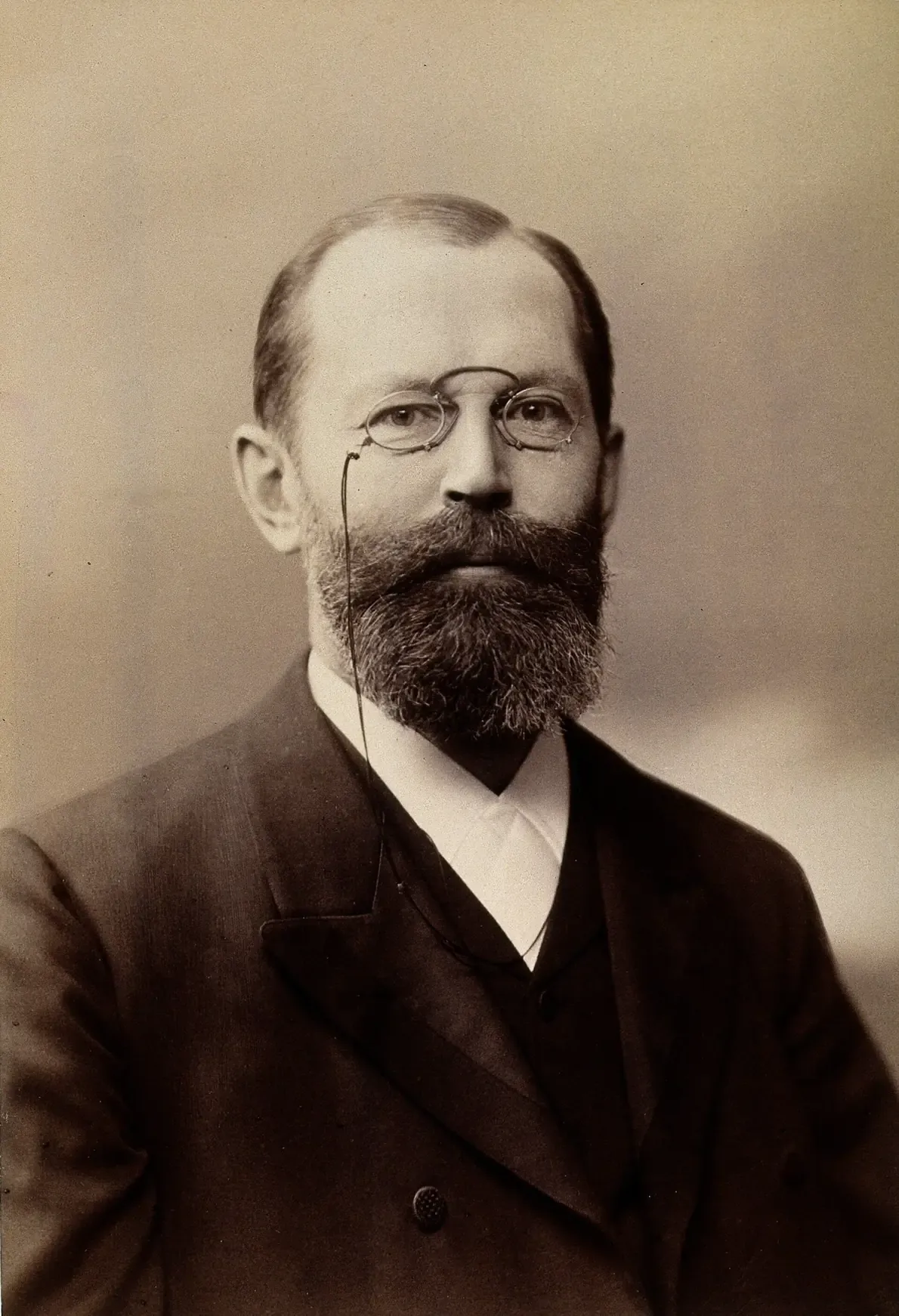
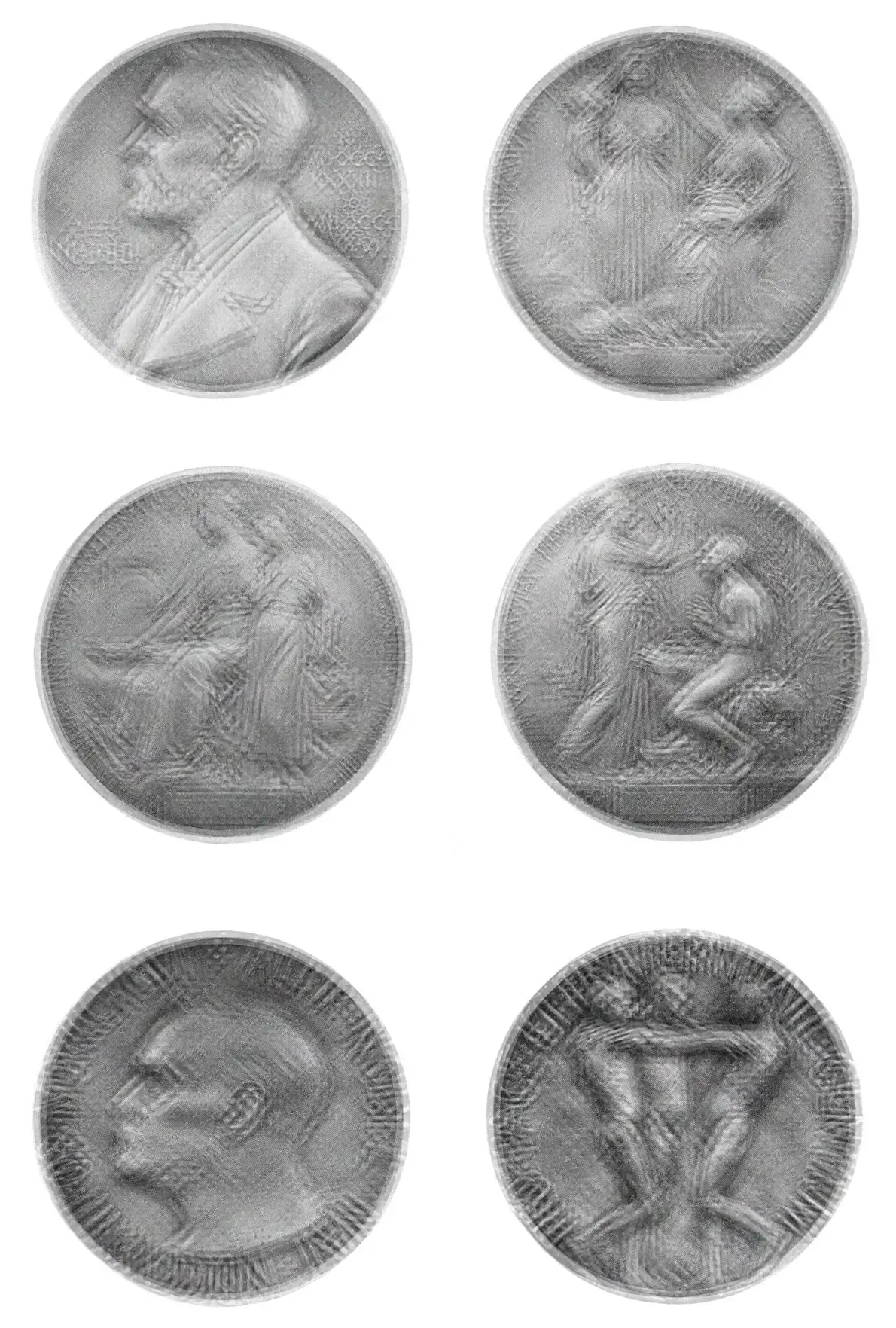
In December of 1902, the Royal Swedish Academy of Sciences awarded its Nobel Prize in Chemistry to a German chemist named Emil Fischer: recognition, arriving a decade late, for work he had already finished in the early 1890s. Between 1891 and 1894, in painstaking succession, Fischer had worked out the exact three-dimensional arrangement of atoms in glucose and every other sugar then known, and shown how each one related to the next through careful, repeatable chemistry rather than guesswork. By the time the prize caught up with him, the discovery itself was old news in his own laboratory; what 1902 marked was the moment the wider scientific world formally recognized that a problem chemists had puzzled over for generations (what a sugar actually is, atom for atom) had already been solved.
For all of human history, people had tasted sweetness without ever asking what it truly was. In honey gathered from wild hives, dates dried under the desert sun, cane juice boiled down in the fields of India and the Caribbean, sweetness was a gift to be enjoyed, not a puzzle to be solved. Yet hidden inside every grain of sugar and every drop of syrup lay a molecular architecture of extraordinary elegance, one that would turn out to be the very alphabet from which nature spells out its grandest polymers. In mapping the exact three-dimensional arrangement of atoms in glucose and its sweeter cousin sucrose, Fischer was not merely explaining dessert. He was handing chemistry the blueprint for cellulose, starch, and every polysaccharide that clothes, feeds, and shelters life on Earth.
Plate I
.jpg)
Plate II

Molecular Architecture: The Sweetest Building Blocks
At their heart, glucose and sucrose are studies in beautiful simplicity. Glucose (C₆H₁₂O₆) is a single six-carbon ring, a monosaccharide, the smallest complete unit of the sugar world. Picture a tiny hexagonal lantern, five carbons and one oxygen forming the frame, with hydroxyl groups hanging from its edges like decorations. It is this modest ring that fascinated Fischer, because the way its hydroxyl groups point (up or down, left or right) determines everything about how it behaves and, crucially, how it can be linked to its neighbors.
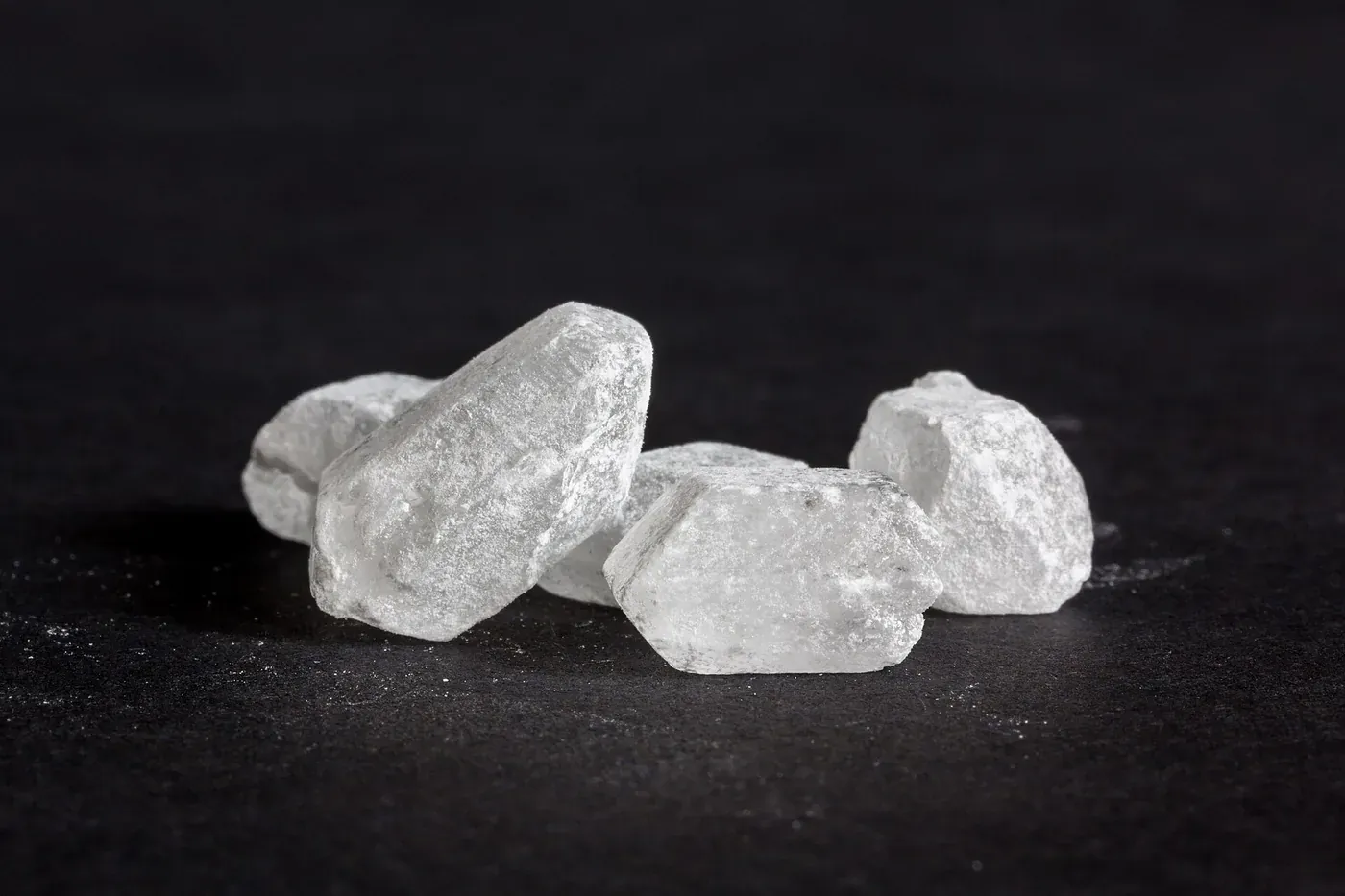
Sucrose, the familiar white crystal in every kitchen, is one step more complex: a disaccharide, two rings joined hand in hand. It is glucose bonded to fructose through a single glycosidic bridge, and that bridge is what gives table sugar its stability and clean sweetness, letting it sit on a shelf indefinitely and caramelize cleanly into amber liquid when heated rather than breaking down unpredictably. Sucrose sits at the threshold between the world of small molecules and the world of polymers. It is not itself a polymer, but it is the doorway to them. String glucose units together in their thousands and you no longer have a sweetener; you have cellulose strong enough to hold up a redwood, or starch dense enough to power a growing seed. The difference between a spoonful of sugar and the trunk of a tree is, quite literally, a matter of how many rings you join and in which direction you point the bonds.
Plate III

Manufacturing Journey: From Cane Field to Crystal
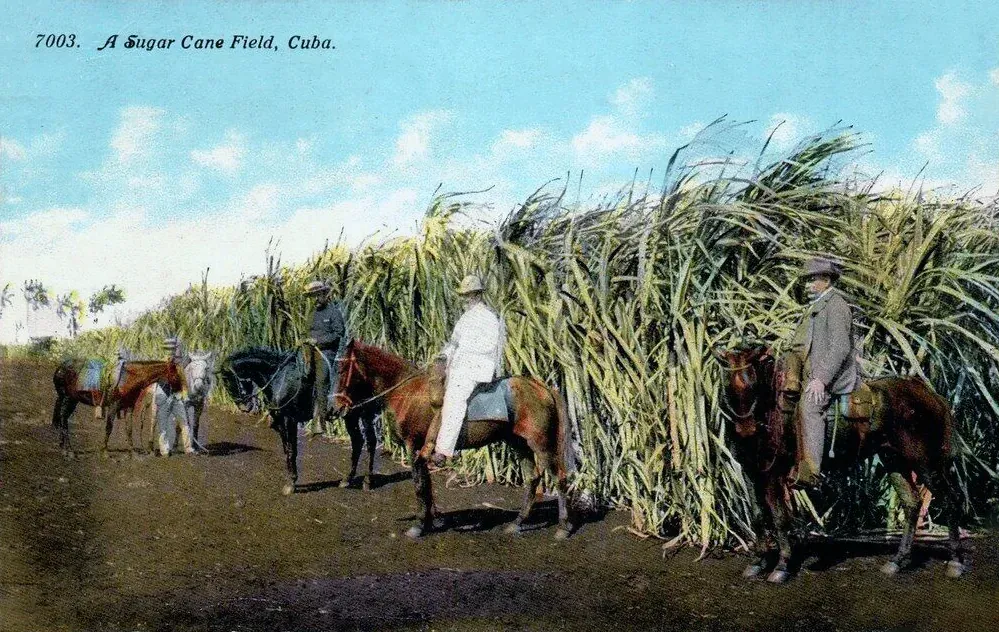
The story of sugar production spans continents and centuries, evolving from patient craft into one of the largest food industries on the planet. The earliest sugar makers in ancient India crushed cane by hand and boiled the juice in shallow pans, watching for the moment when the syrup would surrender its crystals. This knowledge travelled slowly westward along trade routes, so precious that refined sugar was once locked away as a luxury fit for royalty and apothecaries alike.
Plate IV
.jpg)
Modern manufacturing has transformed this ancient craft into a marvel of precision. Sugarcane and sugar beet are shredded and pressed to extract their juice, which is then clarified, filtered, and concentrated under carefully controlled heat. As the syrup supersaturates, seed crystals are introduced to guide the growth of uniform sugar grains, which are spun free in centrifuges and dried. Glucose, meanwhile, is produced on an industrial scale not from cane at all but from the enzymatic breakdown of starch (corn, in particular), where cascades of amylase and glucoamylase enzymes snip long polysaccharide chains back down into the very glucose units from which plants first assembled them. It is a quietly poetic reversal: humanity taking apart nature’s polymers to recover the sweet monomers at their core.
Applications and Impact: The Foundation Beneath Everything
The reach of glucose and sucrose extends far beyond the sugar bowl. Glucose is the universal fuel of life itself, the molecule your body burns with every heartbeat and every thought, and the starting point for an enormous range of industrial products: from the fermentation broths that yield ethanol and citric acid to the precursors of biodegradable plastics like polylactic acid. Sucrose, for its part, is not only a sweetener but a preservative, a texturizer, and a feedstock, its clean chemistry making it a favorite starting material for surfactants, pharmaceuticals, and even sugar-based polymers designed to vanish harmlessly in the body.
Yet the deepest impact of these humble molecules lies in what they taught us. By revealing exactly how glucose rings connect, Fischer and those who followed him unlocked the logic of polysaccharides, the vast family of natural polymers that includes cellulose, starch, glycogen, chitin, and the gums and alginates that open this very chapter. Every one of those materials is, in essence, glucose or its relatives repeated and rearranged. Understanding the monomer made the polymer legible.
The Sweet Legacy: From Fischer’s Bench to the Future
Today, more than a century after Fischer traced the shape of a single sugar ring, glucose and sucrose remain at the frontier of materials science. Researchers are spinning them into sugar-based polymers and hydrogels for drug delivery, weaving them into biodegradable packaging that answers the plastic crisis, and using their perfectly renewable chemistry as a green alternative to petroleum feedstocks. In laboratories exploring the circular economy, the sweetest molecules in nature are being asked to help solve one of our least sweet problems: waste.
Fischer never lived to see gummy medicine capsules or corn-derived bioplastics, but the thread runs unbroken from his patient bench work to these modern marvels. He understood something profound and enduring: that to build the towering polymers that shape our world, you must first understand the small, sweet units from which they are spun. That understanding is still being put to work today, in materials Fischer himself never imagined.
values with [n] cite the numbered references·estimates are flagged·“not yet available” and “N/A” are honest states, not gaps
- Abbreviation
- —
- Type
- polymer family (hub)
- CAS number
- 50-99-7
- Resin ID code
- none assigned
- Formula
- Glucose and sucrose are small molecules (a monosaccharide and a disaccharide, respectively), not polymers; this entry covers them as the foundational monomer/building-block for the polysaccharide entries elsewhere in the atlas (starch, cellulose, glycogen). CAS 50-99-7 given is for D-glucose specifically; sucrose has its own CAS (57-50-1).
- Repeat unit (BigSMILES)
- Glucose and sucrose are small molecules (a monosaccharide and a disaccharide, respectively), not polymers; this entry covers them as the foundational monomer/building-block for the polysaccharide entries elsewhere in the atlas (starch, cellulose, glycogen). CAS 50-99-7 given is for D-glucose specifically; sucrose has its own CAS (57-50-1).
- IUPAC name
- —
- Synonyms
- dextrose (glucose); table sugar (sucrose)
- Also known as
- dextrosetable sugar
- Chemical family
- —
- Backbone class
- —
- Polymerization mechanism
- —
- Constitutional monomer
- None (no single constitutional monomer)
- Polymer class
- —
- Year of origin
- 1902
- Era
- Decoding Nature's Legacy (1833-1902)
- Key figures
- Emil Fischer
- Polymerization type
- not yet available
- Common monomers (feedstocks)
- not yet available
- Catalysts
- not yet available
Not applicable in the polymerization sense: these are the small-molecule monomer/building blocks themselves. Emil Fischer established the full stereochemical configuration of glucose and the other known sugars between 1891–1894, work recognized with the 1902 Nobel Prize in Chemistry. Commercial glucose is produced by enzymatic/acid hydrolysis of starch.
- Tacticity
- not yet available
- Crystal structure
- not yet available
- Typical crystallinity
- Not applicable
Molecular weight
- Number average (Mn)
- not yet available
- Mass average (Mw)
- not yet available
- Dispersity (Mw/Mn)
- not yet available
Mark-Houwink constants
not yet available
- Density
- 1.54 g/cm³[1]D-glucose 1.54 g/cm³; sucrose separately reported at 1.587 g/cm³ (wiki-sucrose).
- Melt flow index
- Not applicable
- Refractive index
- not yet available
- Transmittance
- not yet available
- Haze
- not yet available
- Gloss
- not yet available
- Water absorption
- not yet available
- Dielectric constant
- not yet available
- Dielectric strength
- not yet available
- Electrical conductivity
- not yet available
- Glass transition (Tg)
- Not applicable
- Melting temperature (Tm)
- 146 (146–150) °C[1]α-D-glucose melts at 146°C, β-D-glucose at 150°C.
- Crystallization (Tc)
- Not applicable
- Heat deflection (HDT)
- Not applicable
- Decomposition onset
- not yet available
- Thermal conductivity
- Not applicable
- Tensile modulus
- Not applicable
- Yield strength
- Not applicable
- Tensile strength at break
- not yet available
- Elongation at break
- Not applicable
- Impact strength (Izod)
- Not applicable
- Impact strength (Charpy)
- Not applicable
- Hardness
- Not applicable
- Flexural modulus
- Not applicable
- Poisson's ratio
- not yet available
- Coefficient of friction
- not yet available
- Solvent: water
- Highly soluble (glucose: 909 g/L at 25°C)[1]
- Weathering / UV
- Not applicable
- Hydrolysis resistance
- Not applicable
- Flammability (UL94)
- Not applicable
- Limiting oxygen index
- not yet available
- Solubility parameter (δ)
- not yet available
Gas permeability
not yet available
Polymer-solvent interaction parameter (χ)
not yet available
- Processing methods
- not yet available
- Drying required
- not yet determined
- Processing temperature
- Not applicable
- Shrinkage rate
- Not applicable
- Biologymonomer of starch, cellulose, and glycogen
- Foodsweeteners · fermentation feedstock
- Recyclable
- No
- Biodegradable
- Yes
- Degradation pathway
- Readily metabolized/biodegraded by essentially all organisms.
- LD50 (oral, rat)
- not yet available
- NFPA health
- not yet available
- NFPA flammability
- not yet available
- NFPA reactivity
- not yet available
- Carcinogenic classification
- not yet available
- [1]GlucoseWikipediaAccessed 2026-07-14https://en.wikipedia.org/wiki/Glucose[wiki-glucose]
- [2]SucroseWikipediaAccessed 2026-07-14https://en.wikipedia.org/wiki/Sucrose[wiki-sucrose]
Illustrations
- Plate IEmil Fischer, photographed in 1895, already several years past the sugar work for which he would receive the Nobel Prize in 1902.Wikimedia Commons
- Plate IINobel Prize medals of the kind awarded in the prize's earliest years. Fischer received his in 1902, the second Nobel Prize in Chemistry ever given.Wikimedia Commons
- Plate IIICrystallized sugar: the same sucrose molecule Fischer's stereochemistry explained, grown large enough here to see its facets by eye.Wikimedia Commons
- Plate IVA Cuban sugar cane field, photographed around 1909: the same cane-sugar economy, on the same scale, that surrounded Fischer's laboratory chemistry with an entire industry of practical experience.Wikimedia Commons