Decoding Nature's Legacy (1833-1902)
Starch
Nature's Energy Reservoir
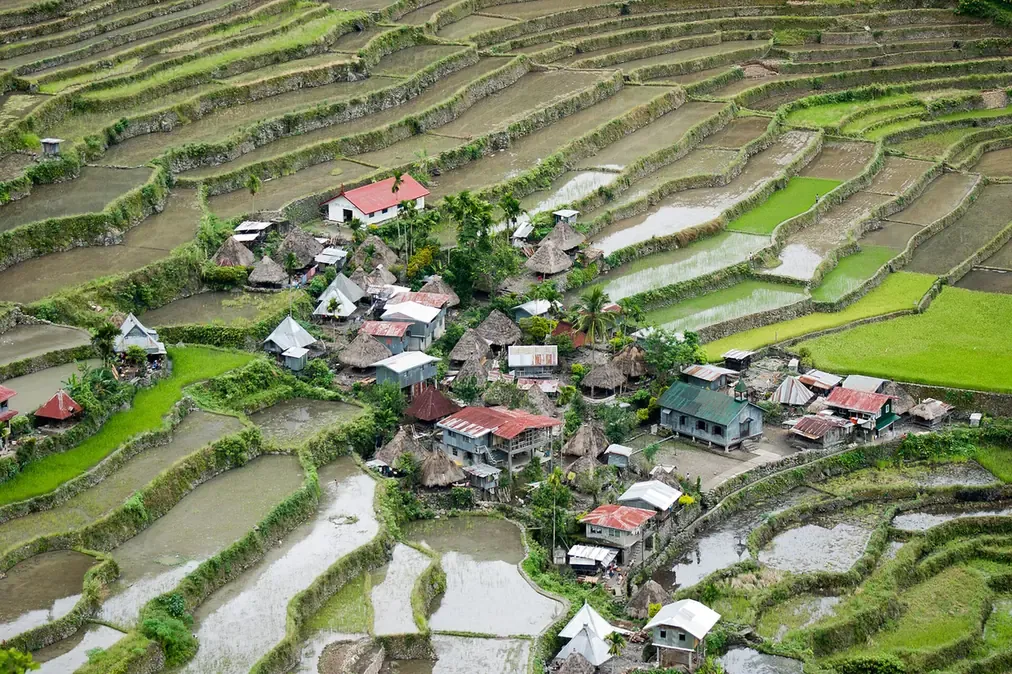
In the fertile valleys of ancient Asia, farmers cultivated rice and wheat, unknowingly harnessing one of nature’s most fundamental molecules, a polymer that stored the sun’s energy in edible grains and would one day help feed the world and challenge the reign of plastic. Long before anyone understood its chemistry, starch was already civilization’s quiet fuel, packed into every loaf of bread, every bowl of rice, every root and tuber that sustained humanity through the ages.
Plate I

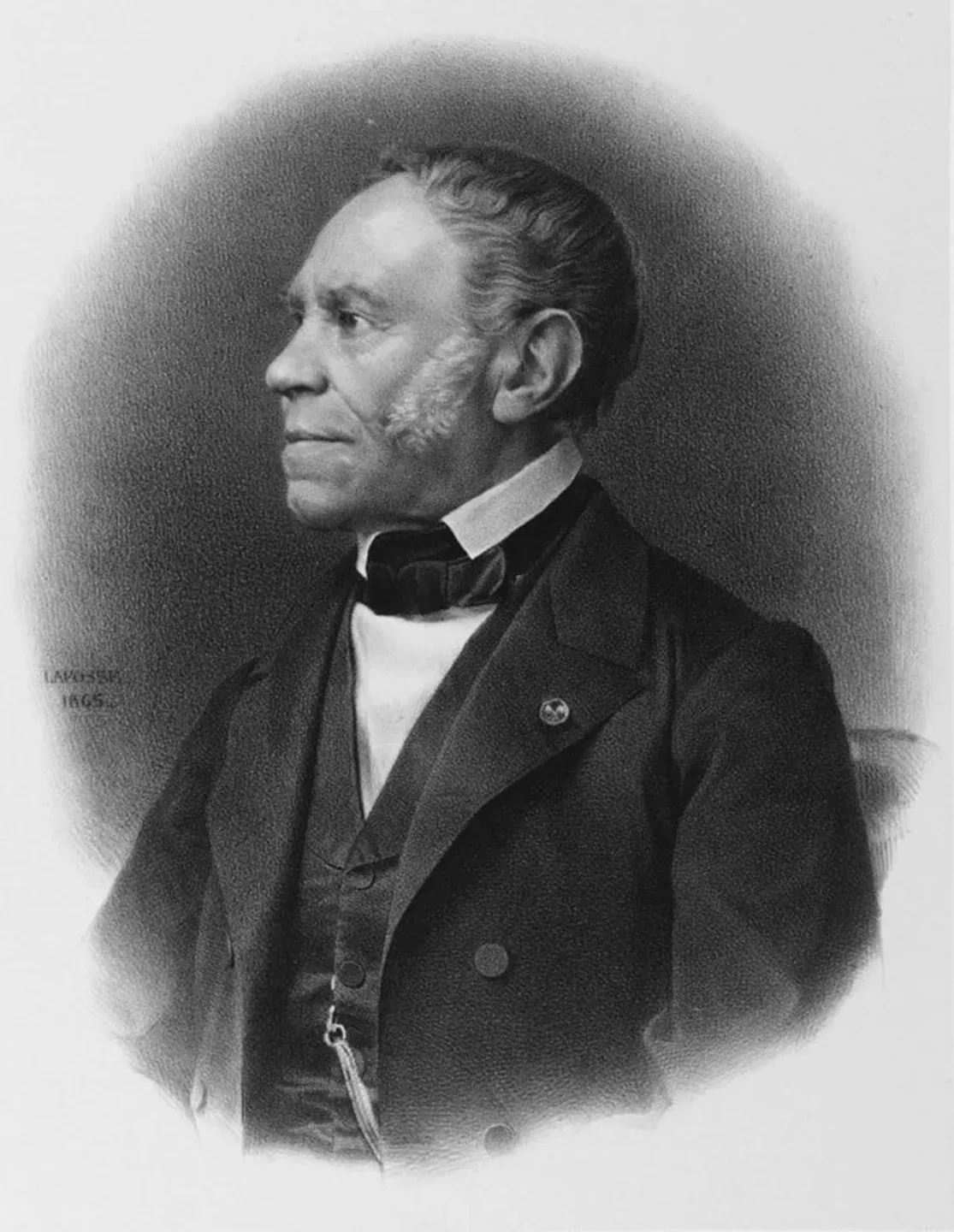
A year earlier, in 1833, the French chemist Anselme Payen and his collaborator Jean-François Persoz had made a discovery far bigger than either of them could have known at the time: working with malt extract, they isolated a substance that could break starch down into sugar without itself being consumed by the reaction. They called it diastase, and it was the first enzyme anyone had ever separated from a living thing and studied on its own. Having shown that some hidden agent could take starch apart, Payen and Persoz turned, in 1834, to the substance itself. In a memoir published that August, they reported that what people simply called “fécule” (the flour recovered from a crushed potato or grain) was not one substance but two: an outer skin, and, underneath it, a distinct chemical entity they named amidone, recoverable by nothing more than washing with water. It was a modest, careful piece of work, and it did something no one had done before: treat starch as a definable chemical substance in its own right, rather than simply “the floury part of a plant.”
Plate II

That distinction (starch as its own chemical entity, separable from the plant tissue that makes it and the enzymes that unmake it) is the thread this page follows: from a grain of wheat to a fully characterized polymer, and from a Paris laboratory bench to the packaging aisle of a modern supermarket.
Molecular Architecture: A Coiled Storehouse
Starch is a polymer built entirely from glucose, yet its architecture is worlds apart from its structural cousin cellulose. Where cellulose forms straight, rigid chains, starch coils and branches. It comes in two forms woven together: linear amylose, strung along α-1,4-glycosidic bonds into gently spiraling helices, and branched amylopectin, which adds α-1,6 linkages to create a sprawling, tree-like architecture. This combination allows starch to pack densely for storage yet break down easily when energy is needed.
Plate III
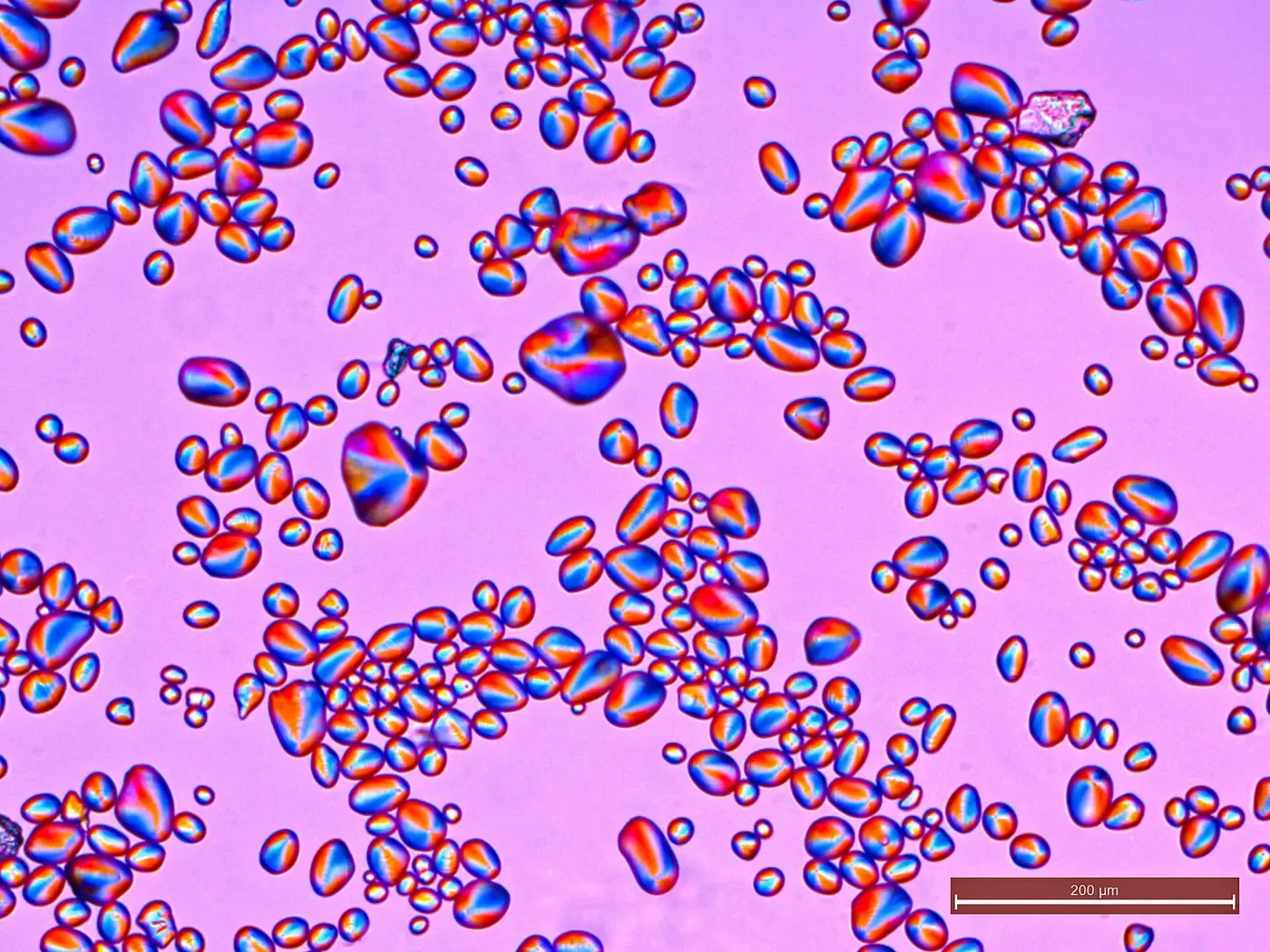

Starch is well suited to its biological role as an energy reservoir: dense enough to pack a great deal of fuel into a small seed, yet loosely enough ordered that warm water alone will swell and soften a granule long before it would ever approach a true melt. Those α-linkages are the crucial detail: the enzymes in our own digestive tracts can cleave them with ease, releasing the stored glucose, which is precisely why starch nourishes us while cellulose, with its stubborn β-bonds, passes through as fiber. Starch also dissolves and swells in water far more readily than cellulose does, and is broken down by acids and enzymes alike without much resistance, which is exactly the vulnerability that makes it digestible, biodegradable, and easy to process industrially all at once.
Manufacturing Journey: From Grinding Stone to Wet Mill
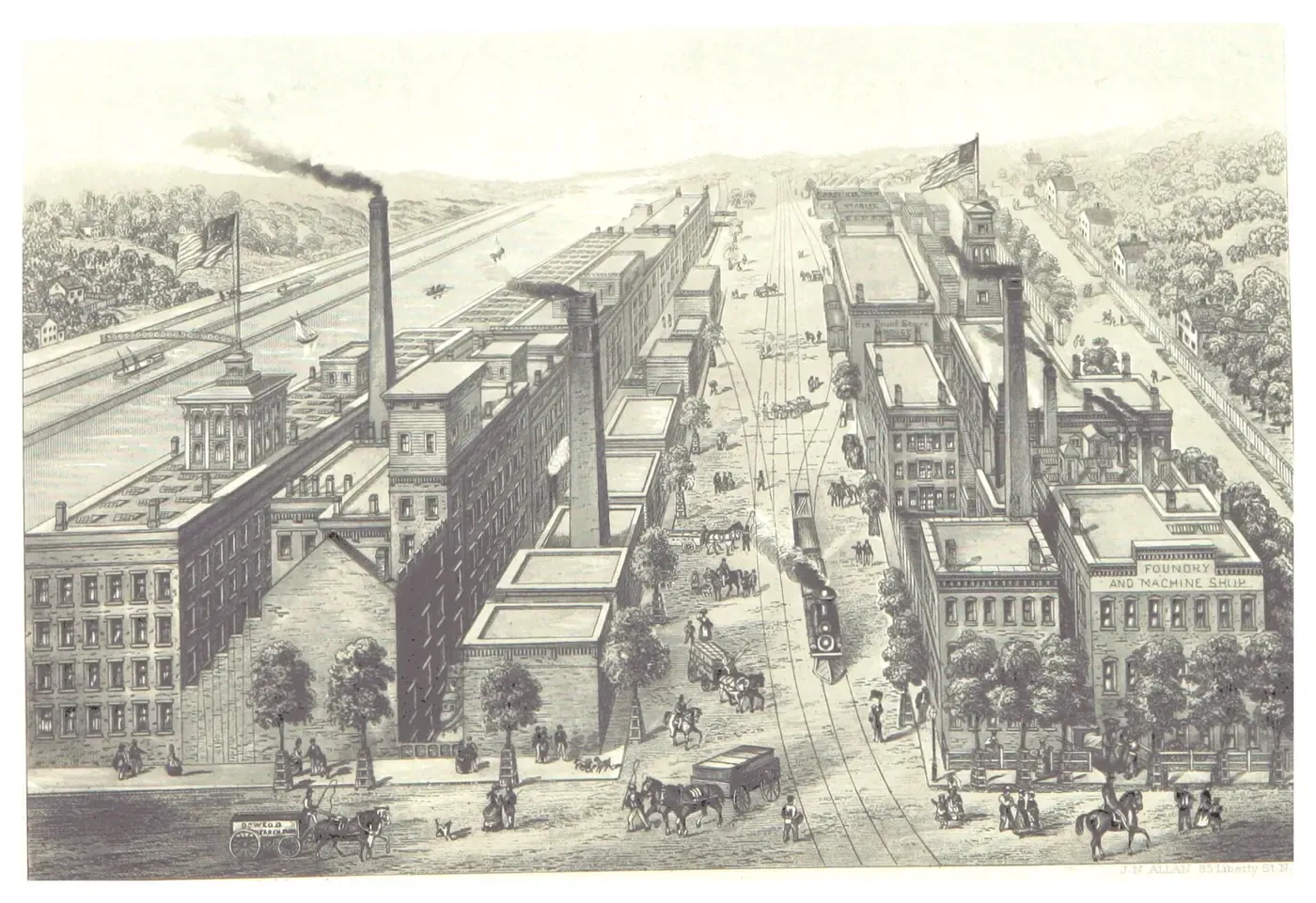
Humanity’s relationship with starch began with the simplest of tools: grinding grain and cooking it to make it digestible. For millennia, this was the extent of starch processing, a craft rather than a science. The modern era transformed that craft into an industry of remarkable precision.
Plate IV
_p150_OSWEGO_STARCH_FACTORY,_OSWEGO,_NY_(T._KINGSFORD_%26_SONS).jpg)
Today’s wet milling processes separate starch granules from plant material at very high yields, and manufacturers exercise fine control over gelatinization and retrogradation to produce starches tailored for specific uses. The chemistry of starch modification has itself become a sophisticated science: oxidation with hypochlorite introduces carboxyl groups that improve film-forming, while cross-linking with agents like sodium trimetaphosphate creates networks that resist heat and shear better than the native granule. Dual modifications (acetylation followed by cross-linking, for instance) yield starches that are both water-repellent and structurally stable, ideal for encapsulating drugs and agricultural chemicals.
Applications and Impact: From Sustenance to Sustainability
Starch has evolved from basic sustenance into a versatile industrial material. Modified starches now serve as biodegradable alternatives to synthetic polymers, while resistant starches are reshaping nutrition science. In pharmaceuticals, starch derivatives enable controlled drug-delivery systems, carrying nineteenth-century chemistry into modern medicine.
Plate V
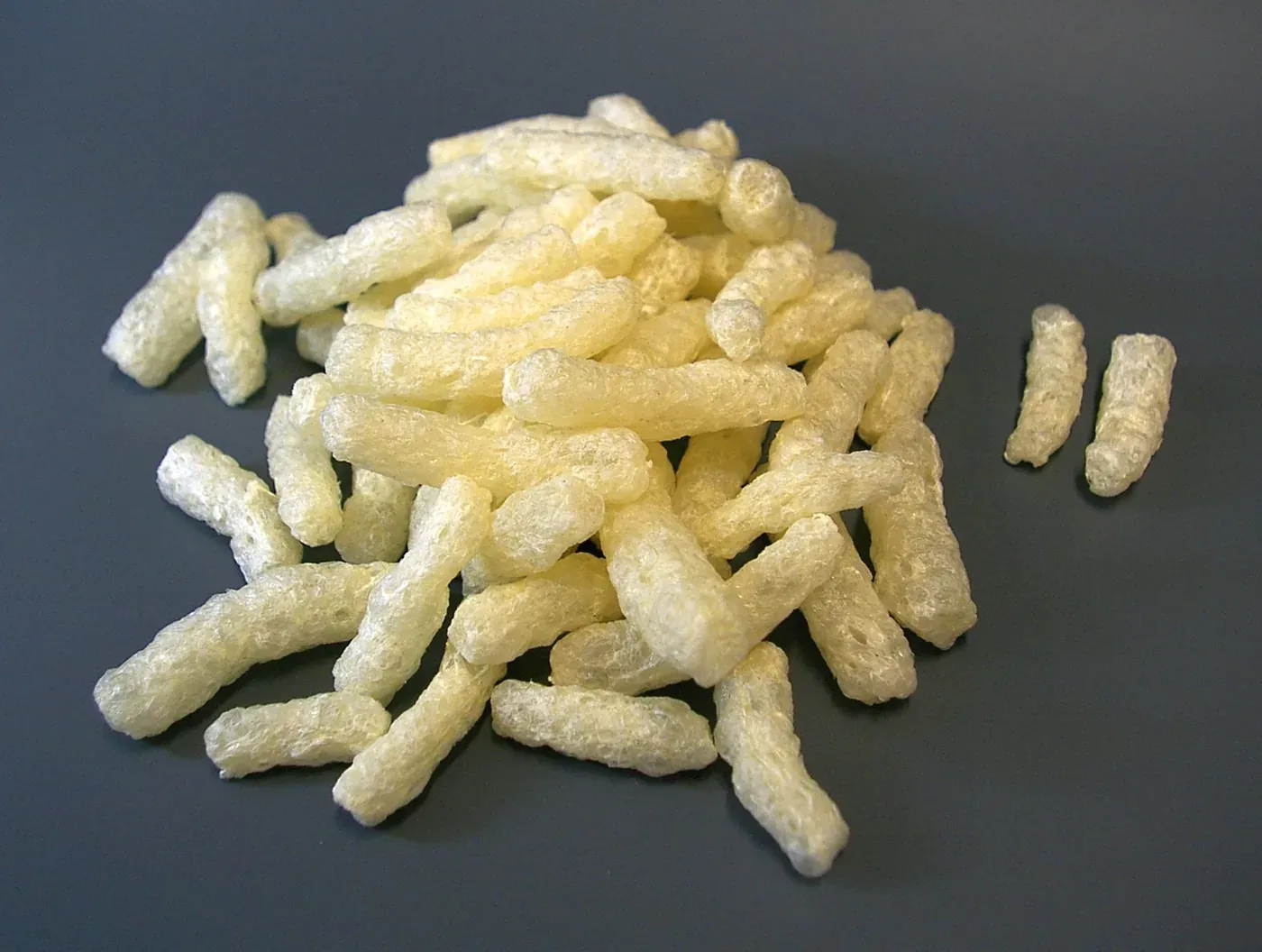

Perhaps most promising is starch’s role in the fight against plastic waste. Starch-based foams, blown with nothing more than water as the blowing agent, are astonishingly light for their bulk while keeping enough structural integrity to protect a shipped object. They are a compostable alternative to polystyrene packaging. Blended into synthetic polymers, modified starches lend biodegradability while remaining compatible with existing manufacturing lines. This is a bridge between the petrochemical present and a greener future.
The Future of an Ancient Fuel
The frontier of starch innovation keeps expanding. Researchers are engineering starch-based smart packaging with integrated color-changing indicators that monitor food freshness in real time, and developing starch composites that could help solve the plastic crisis outright. The molecule that once merely filled bellies is being asked to fill new roles entirely.
From the grinding stones of Neolithic farmers to the wet mills and green-chemistry laboratories of today, starch has never stopped serving. It remains one of nature’s most abundant and generous polymers, a coiled storehouse of energy that fed the past and may yet help clean up the future.
values with [n] cite the numbered references·estimates are flagged·“not yet available” and “N/A” are honest states, not gaps
fetching the model…
Starch repeat unit
- Abbreviation
- —
- Type
- polymer family (hub)
- CAS number
- 9005-25-8
- Resin ID code
- none assigned
- Formula
- (C6H10O5)n[C6H7O2(OH)3]nThe alpha-1,4-linked glucopyranose unit is shown in condensed form (ring core plus three hydroxyls), the same sugar and the same formula as cellulose, joined the other way round, which is the whole difference between food and firewood. Real starch is a mixture of linear amylose and branched amylopectin, whose alpha-1,6 branch points are not shown.
- Repeat unit (BigSMILES)
{[][>]O[C@H]1[C@H](O)[C@@H](O)[C@@H]([<])O[C@@H]1CO[]}- IUPAC name
- —
- Synonyms
- amylum
- Also known as
- amylum
- Chemical family
- polysaccharide
- Backbone class
- heterochain
- Polymerization mechanism
- natural-biosynthesis
- Constitutional monomer
- D-glucose (α-glucopyranose)
- Polymer class
- —
- Year of origin
- 1834
- Era
- Decoding Nature's Legacy (1833-1902)
- Key figures
- Anselme Payen
- Polymerization type
- not yet available
- Common monomers (feedstocks)
- not yet available
- Catalysts
- not yet available
Not industrially polymerized, but biosynthesized in plants and harvested via wet milling: grinding, washing, and sieving to separate starch granules from other plant material (corn, potato, wheat, rice, cassava, and other crops), followed by drying. Enzymatic liquefaction (amylase) and saccharification convert starch into dextrins, maltose, and glucose syrups for many industrial uses.
- Tacticity
- not yet available
- Crystal structure
- Semi-crystalline granules with concentric layering of amylose and amylopectin.
- Typical crystallinity
- 25–45 %[2]Native starch granules; wheat starch reported narrower at 32–36%. Becomes essentially amorphous after processing/gelatinization.
Molecular weight
- Number average (Mn)
- 214000 g/mol[3]Regular dent corn (maize) starch, whole granule, size-exclusion chromatography. Varies greatly with source: waxy maize 1.48e5, high-amylose corn 4.8–5.4e4.
- Mass average (Mw)
- 14500000 g/mol[3]Regular dent corn (maize) starch, whole granule, size-exclusion chromatography. Varies greatly with source: waxy maize 2.18e7, high-amylose corn 3.96–5.75e6.
- Dispersity (Mw/Mn)
- 68[3]Regular dent corn (maize) starch. Waxy maize and high-amylose corn grades reported much broader, PDI 82–147.
Mark-Houwink constants
not yet available
- Density
- 1.34–1.65 g/cm³[2]20 °C, native granules; varies by botanical source (e.g. maize, potato, wheat).
- Melt flow index
- Not applicable
- Refractive index
- 1.523–1.535[3]Potato starch, 25 °C, 589 nm; two principal indices reported (birefringent granules).
- Transmittance
- not yet available
- Haze
- not yet available
- Gloss
- not yet available
- Water absorption
- 22.5 %[2]equilibrium immersion in water, 23 °C; equilibrium moisture uptake at 50% RH/23 °C is much lower, 10.2–13.3%.
- Dielectric constant
- not yet available
- Dielectric strength
- not yet available
- Electrical conductivity
- not yet available
- Glass transition (Tg)
- -55 °C[2]Native starch shows two transitions, -55 °C and 27–43 °C, both moisture-dependent; a much higher extrapolated Tg (~223 °C) is reported for anhydrous corn starch.
- Melting temperature (Tm)
- Not applicableDecomposes rather than melting; undergoes gelatinization in warm water instead of a true melt transition.
- Crystallization (Tc)
- Not applicable
- Heat deflection (HDT)
- Not applicable
- Decomposition onset
- 240–250 °C[2]Estimated onset, reported under the DSC 'melting temperature' row since starch decomposes rather than showing a true melt endotherm.
- Thermal conductivity
- not yet available
- Tensile modulus
- 1020–1140 MPa[2]Native/unplasticized starch; a much lower elastic modulus (9–38.7 MPa) is reported elsewhere in the same source, likely a plasticized or hydrated grade.
- Yield strength
- 1.4–22 MPa[2]Tensile stress at yield; wide range reflects different starch products/grades and moisture content.
- Tensile strength at break
- 1.6–2.1 MPa[2]
- Elongation at break
- 27–84 %[2]
- Impact strength (Izod)
- Not applicable
- Impact strength (Charpy)
- Not applicable
- Hardness
- Not applicable
- Flexural modulus
- not yet available
- Poisson's ratio
- not yet available
- Coefficient of friction
- not yet available
- Solvent: cold_water
- Insoluble (swells); dissolves/gelatinizes on heatingestimate[1]
- Solvent: ethanol
- Insolubleestimate[1]
- Weathering / UV
- not yet available
- Hydrolysis resistance
- poor: readily hydrolyzed by acid and enzymes[3]The alpha-glucopyranose linkage is more susceptible to hydrolysis/enzyme attack than the beta linkage in cellulose.
- Flammability (UL94)
- Not applicable
- Limiting oxygen index
- not yet available
- Solubility parameter (δ)
- not yet available
Gas permeability
not yet available
Polymer-solvent interaction parameter (χ)
not yet available
- Processing methods
- wet millinggelatinization/castingextrusion (for bioplastic blends)
- Drying required
- not yet determined
- Processing temperature
- 160–180 °C[2]160 °C extrusion; 180 °C melt/injection molding (thermoplastic starch).
- Shrinkage rate
- not yet available
- Foodthickeners/stabilizers · corn syrups and sweeteners · resistant starch dietary fiber
- Papersizing agent · coating binderLargest non-food application.
- Adhesivescorrugated board bonding · wallpaper glue
- Textileswarp sizing
- Bioplastics & biofuelsbiodegradable polymer feedstock · PLA precursor · corn ethanol fermentation feedstock
- Pharmaceuticaltablet disintegrant and binder
- Recyclable
- No
- Biodegradable
- Yes
- Degradation pathway
- Enzymatic/microbial hydrolysis of glycosidic linkages; readily biodegradable.
Renewable, widely used as a biodegradable-plastics feedstock (e.g. PLA precursor).
- [1]StarchWikipediaAccessed 2026-07-14https://en.wikipedia.org/wiki/Starch[wiki-starch]
- [2]Handbook of PolymersChemTec Publishinghttps://www.worldcat.org/isbn/9781895198928[handbook-wypych-2016]
- [3]Polymer Data HandbookOxford University Presshttps://search.worldcat.org/search?q=Polymer+Data+Handbook+Mark+1999[handbook-mark-1999]
Illustrations
- Plate IRice terraces in the Philippine Cordilleras, a form of cultivation practiced in Asia for over two thousand years: starch farming as old engineering.Wikimedia Commons
- Plate IIAnselme Payen, whose 1834 memoir with Persoz first separated starch itself from the husk and fiber surrounding it in the plant.Wikimedia Commons
- Plate IIIPotato starch granules under polarized light. The crosses mark the semicrystalline layering inside each granule: order built for storage, not for strength.Wikimedia Commons
- Plate IVThe Kingsford starch works at Oswego, New York, in 1876, by then already one of the largest starch factories in the world, built on the same wet-milling principle used today.Wikimedia Commons
- Plate VLoose-fill packaging chips made from thermoplastic starch. They are a modern, compostable answer to the same question Payen was quietly answering in 1834: what, exactly, is this stuff made of?Wikimedia Commons