Decoding Nature's Legacy (1833-1902)
Cellulose
Nature's Master Builder
Along the banks of the Nile, ancient Egyptian scribes prepared sheets of papyrus, transforming plant fibers into the world’s first widespread writing material and, without knowing it, making one of humanity’s earliest deliberate uses of nature’s most abundant polymer. From the linen wrapping a mummy to the cotton in a modern shirt to the paper of every book ever printed, cellulose has quietly built and recorded the story of civilization itself.
Plate I
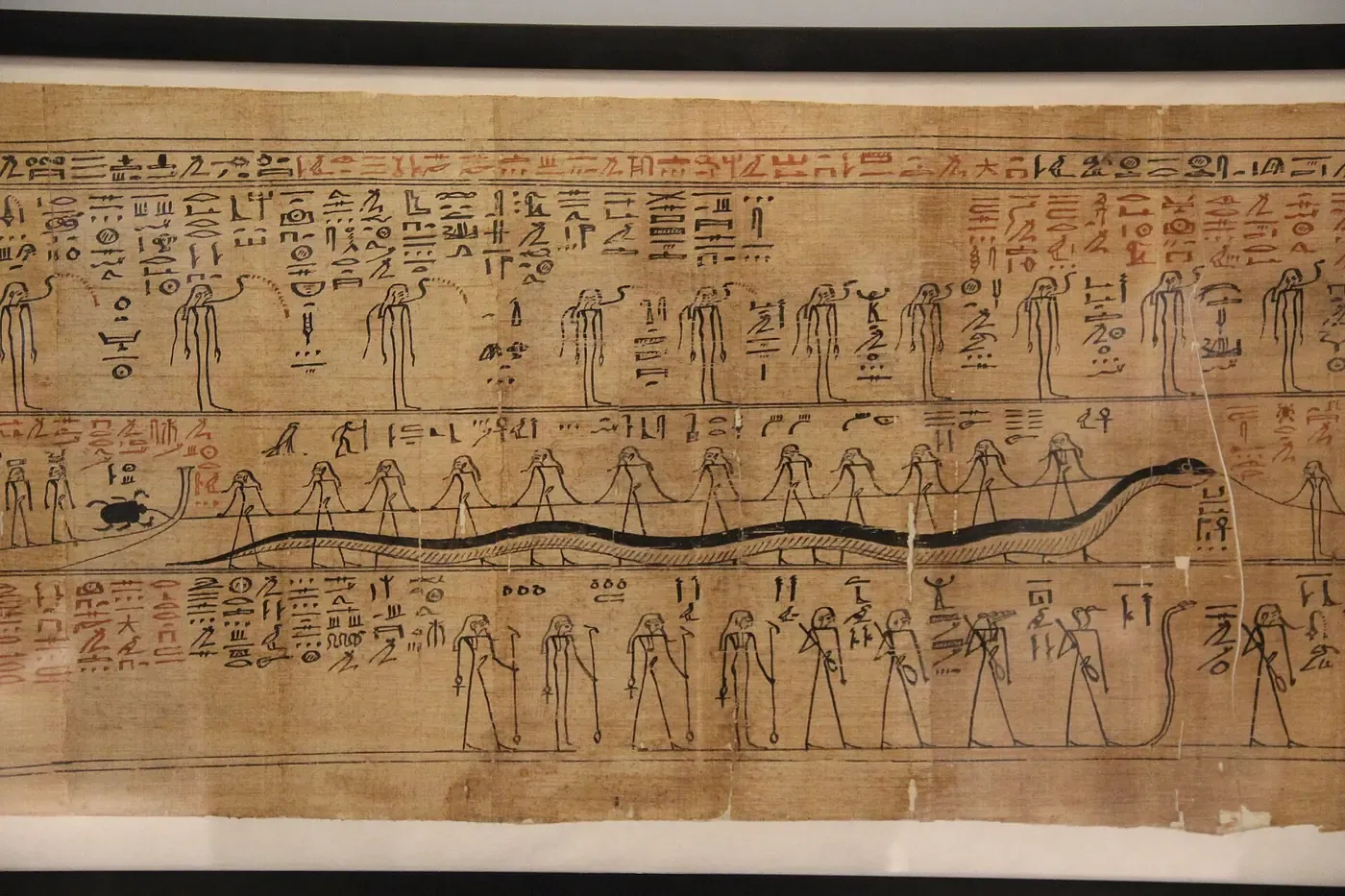
.jpg)
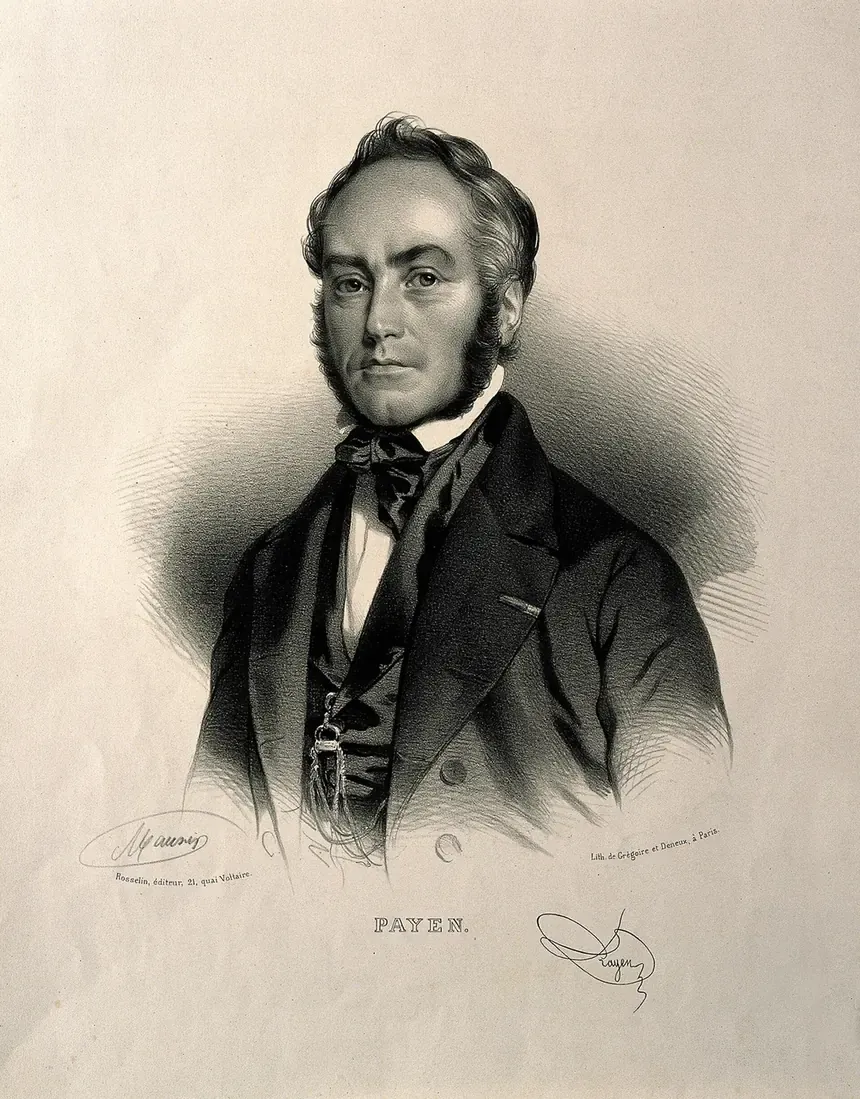
By 1835, Anselme Payen had already spent a year treating “starch” as a chemical substance in its own right rather than just the floury part of a plant, since his 1834 memoir with Jean-François Persoz had separated a grain’s starchy interior from the husk around it. That same year he took a professorship in industrial and agricultural chemistry at the École Centrale des Arts et Manufactures, the young Paris school co-founded six years earlier by Jean-Baptiste Dumas with exactly this kind of applied, materials-facing chemistry in mind. It was from that post that Payen began the systematic examination of wood and plant fiber that would occupy him for the rest of the decade, treating one sample after another with acids and alkalis, looking for whatever was left behind once everything solvable had been dissolved away. Three years later, in 1838, that programme paid off: Payen isolated a residue common to every plant he tested (wood, cotton, flax) and showed it had exactly the same chemical formula as the starch he had already characterized, though built in a way that made it rigid rather than digestible. The French Academy of Sciences confirmed the result, and the substance was given the name it still carries: cellulose.
Plate II

What began as one chemist’s attempt to sort out the parts of a plant became, over the following two centuries, the study of the most abundant organic polymer on Earth, and the subject of this page.
Molecular Architecture: The Straight and Crystalline Chain
Cellulose owes its extraordinary strength to a single, elegant structural choice. Its glucose units are linked by β-1,4-glycosidic bonds, which force the chains to run straight and flat, letting them pack side by side into tightly ordered, crystalline fibers held together by a dense web of hydrogen bonds. That packing is what gives a cellulose fiber its stiffness: loaded end to end, a single flax or cotton fiber can rival many structural metals for how little it stretches before it resists further, even though the loose network of fibers in an everyday sheet of paper is, by comparison, soft and easily torn. It is also markedly stiffer and stronger than its close relative starch, purely because of how the same glucose units are joined: straight and stackable here, coiled and branching there.
Cellulose has no true melting point under ordinary conditions (it chars and decomposes at a temperature far below any point at which it would flow), which makes it remarkably heat-stable and is part of why manuscripts written on plant fiber have survived for millennia in the dry air of tombs and archives. It is just as unreactive chemically: cold water leaves it untouched, and it shrugs off dilute acids, alcohols, oils, and most hydrocarbon and ester solvents, giving way only to strong acids and alkalis over time. That same β-linkage that makes cellulose so strong also makes it indigestible to humans, a small chemical detail that separates the structural world of wood and cotton from the edible world of starch.
Manufacturing and the Nanocellulose Revolution
Early civilizations extracted cellulose through simple mechanical processing, producing everything from papyrus to linen. Today the kraft process dominates, using sodium hydroxide and sodium sulfide under heat and pressure to separate cellulose from lignin. It is the industrial engine behind the world’s paper supply.
Plate III
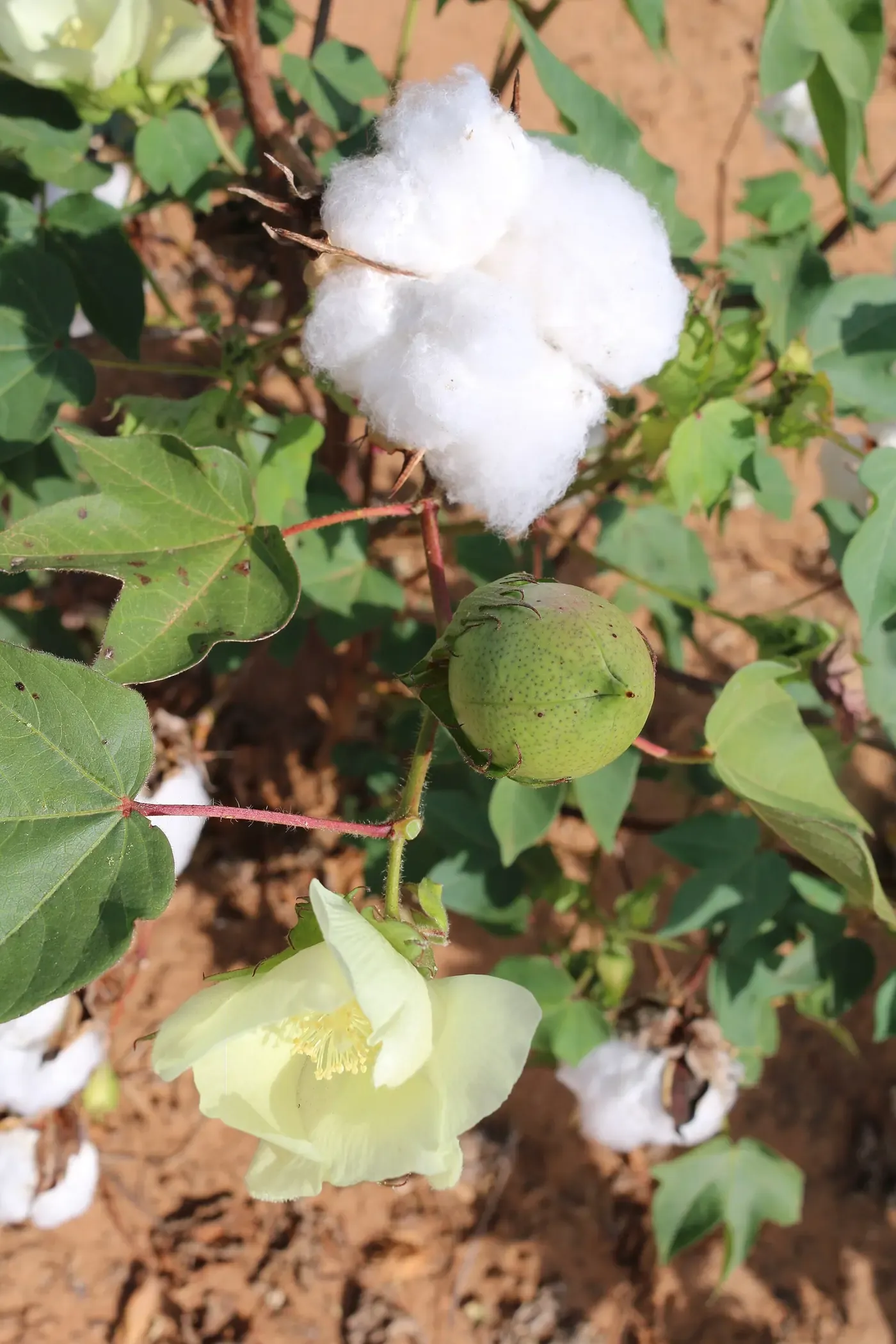
.jpg)
But the most exciting chapter is unfolding at the nanoscale. Nanocellulose (fibrils and crystals a few tens of nanometers across) exhibits properties that transcend ordinary cellulose entirely. Cellulose nanocrystals can rival steel for stiffness pound for pound while remaining far lighter, and modern extraction methods such as TEMPO-mediated oxidation can tease these nanofibers apart at room temperature, opening the door to a whole new class of materials from the same molecule Payen first isolated.
Plate IV
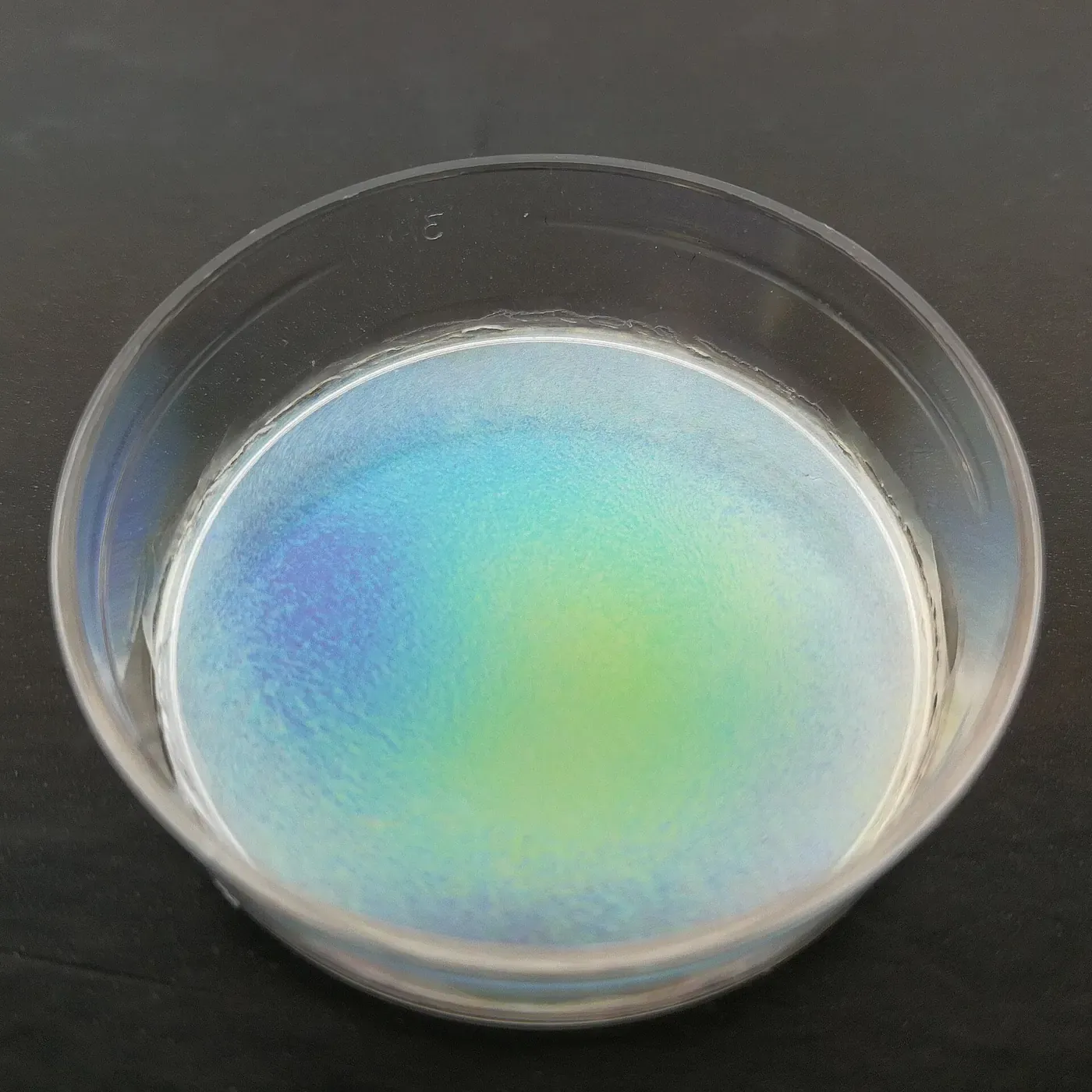
..jpg)
Applications and Impact: The Fabric of Civilization
Cellulose has always been the fabric of civilization, quite literally: the cotton and linen we wear, the paper we write on, the timber that frames our homes. Its derivatives now form the basis of sustainable materials, from biodegradable packaging to advanced textiles, and it remains the chemical parent of an entire family of transformed materials, from rayon and cellophane to nitrocellulose.
At the cutting edge, nanocellulose films can be made nearly as clear as glass while keeping their strength and flexibility, enabling flexible displays of remarkable durability. Combined with conductive polymers like PEDOT:PSS, these films offer sustainable replacements for the scarce indium tin oxide used in touchscreens and solar cells. Nanocellulose-reinforced composites, meanwhile, match synthetic polymers in oxygen-barrier performance while remaining fully biodegradable.
Future Horizons
The frontier of cellulose innovation stretches from the medical to the computational. Researchers are 3D-printing cellulose nanofiber scaffolds for tissue engineering with precisely tuned porosity, building nanocellulose aerogels for supercapacitor electrodes with enormous surface areas, and even exploring cellulose-based elements for neuromorphic computing that exploit the material’s unique ionic conductivity. Bacterial cellulose, grown by microbes rather than harvested from plants, offers ultra-pure material with minimal chemical input.
From the papyrus of ancient scribes to the metamaterials of tomorrow’s laboratories, cellulose remains what it has always been: nature’s master builder. The most abundant organic polymer on Earth is now poised to help build a more sustainable world, just as it once helped build civilization itself.
values with [n] cite the numbered references·estimates are flagged·“not yet available” and “N/A” are honest states, not gaps
fetching the model…
Cellulose repeat unit
- Abbreviation
- —
- Type
- polymer family (hub)
- CAS number
- 9004-34-6
- Resin ID code
- none assigned
- Formula
- (C6H10O5)n[C6H7O2(OH)3]nThe anhydroglucose unit is shown in condensed form (ring core plus three hydroxyls) as the constitutional repeat unit; the crystallographic repeat is cellobiose, two glucose units, because alternate rings are rotated 180 degrees. Degree of polymerization varies hugely by source (wood pulp ~300–1700 units, cotton and plant fibers ~800–10,000, bacterial cellulose up to ~10,000).
- Repeat unit (BigSMILES)
{[][>]O[C@H]1[C@H](O)[C@@H](O)[C@H]([<])O[C@@H]1CO[]}- IUPAC name
- —
- Synonyms
- —
- Also known as
- —
- Chemical family
- polysaccharidecellulosic
- Backbone class
- heterochain
- Polymerization mechanism
- natural-biosynthesis
- Constitutional monomer
- D-glucose (β-glucopyranose)
- Polymer class
- —
- Year of origin
- 1835
- Era
- Decoding Nature's Legacy (1833-1902)
- Key figures
- Anselme Payen
- Polymerization type
- not yet available
- Common monomers (feedstocks)
- not yet available
- Catalysts
- not yet available
Not industrially polymerized: biosynthesized by plants (and some bacteria) and extracted from wood pulp (kraft/sulfite pulping) or cotton fiber (~90% cellulose by mass; wood ~40–50%). Regeneration processes (viscose, cuprammonium) convert extracted cellulose into rayon/cellophane. See viscose-rayon and cellophane entries.
- Tacticity
- not yet available
- Crystal structure
- Semi-crystalline; natural cellulose forms Iα/Iβ allomorphs, regenerated cellulose forms cellulose II, and cellulose III/IV are accessible via chemical treatment.
- Typical crystallinity
- 50 (40–60) %[2]typical range across native cellulose sources; cotton ~75%, wood pulp ~60%; regenerated cellulose is markedly lower (~25–35%, see viscose-rayon)
Molecular weight
- Number average (Mn)
- 38000 (36000–40000) g/mol[2]
- Mass average (Mw)
- 360000 (160000–560000) g/mol[2]
- Dispersity (Mw/Mn)
- not yet available
| Solvent | T | M range | K | a |
|---|---|---|---|---|
| cuprammonium hydroxide (Cuoxam)[3] | 293 K | — | 0.00308 mL/g | 1 |
| cuprammonium hydroxide (Cuoxam)[3] | 298 K | — | 0.113 mL/g | 0.657 |
| cuprammonium hydroxide (Cuoxam)[3] | 298 K | — | 0.101 mL/g | 0.661 |
| cupriethylenediamine (Cuene)[3] | 298 K | — | 0.00498 mL/g | 1 |
Extensive interchain hydrogen bonding between parallel chains forms rigid microfibrils, giving cellulose its high stiffness and insolubility in water and most organic solvents.
Reported to require ~320°C and 25 MPa pressure to become amorphous in water; a conventional Tg is not well-defined because the material decomposes before/near this regime under ambient pressure.
- Density
- 1.555 (1.54–1.57) g/cm³[2]20°C, typical solid cellulose; crystalline regions 1.59–1.63 g/cm³, amorphous regions 1.482–1.489 g/cm³
- Melt flow index
- Not applicable
- Refractive index
- 1.534–1.618[2]20°C; birefringent, n∥ 1.595–1.618 and n⊥ 1.527–1.534 across fiber types
- Transmittance
- not yet available
- Haze
- 4 %[2]
- Gloss
- 90 %[2]60°, Gardner, ASTM D523
- Water absorption
- not yet available
- Dielectric constant
- 3–7.5[2]100 Hz to 1 MHz; crystalline portion reported separately at 5.7
- Dielectric strength
- 40 (30–50) kV/mm[2]specimen thickness 0.6–0.8 mm
- Electrical conductivity
- not yet available
- Glass transition (Tg)
- 232.5 (220–245) °C[2]reported experimental range; a conventional Tg is debated for cellulose since decomposition typically precedes or overlaps this regime under ambient pressure
- Melting temperature (Tm)
- Not applicableDecomposes at 260–270°C rather than melting under ambient pressure; melting near 467°C has only been observed under pulse-heating conditions.
- Crystallization (Tc)
- Not applicable
- Heat deflection (HDT)
- Not applicable
- Decomposition onset
- 260 (260–270) °C[2]DSC, reported under a melting-temperature row since cellulose decomposes rather than melts
- Thermal conductivity
- 0.071 W/(m·K)[3]cotton fiber, 293 K
- Tensile modulus
- 4000 (3000–5000) MPa[2]bulk/aggregate native cellulose; individual native bast fibers show much higher axial modulus (flax 78,000–108,000 MPa, hemp 59,000–78,000 MPa, ramie 48,000–69,000 MPa)
- Yield strength
- not yet available
- Tensile strength at break
- 4.05 (2.2–5.9) MPa[2]pulp handsheets (native, non-regenerated cellulose fiber network); individual fibers test much higher (e.g. cotton 200–800 MPa per Mark Polymer Data Handbook); regenerated cellulose (rayon) and cellophane report substantially different values, recorded on their own entries
- Elongation at break
- 8 (6–10) %[2]native cellulose fiber; cast film 18–70%, regenerated forms 22–70% reported separately
- Impact strength (Izod)
- Not applicable
- Impact strength (Charpy)
- Not applicable
- Hardness
- Not applicable
- Flexural modulus
- not yet available
- Poisson's ratio
- 0.3[2]microcrystalline cellulose
- Coefficient of friction
- 0.25[2]static; dynamic 0.2 (counterface not specified)
- Solvent: water
- Insoluble[1]
- Solvent: common_organic_solvents
- Insoluble in most organic solvents[1]
- Solvent: dilute acids
- good[2]
- Solvent: concentrated acids
- poor[2]
- Solvent: alcohols
- good[2]
- Solvent: alkalis
- poor[2]
- Solvent: aliphatic hydrocarbons
- good[2]
- Solvent: aromatic hydrocarbons
- good[2]
- Solvent: esters
- good[2]
- Solvent: greases & oils
- good[2]
- Solvent: halogenated hydrocarbons
- good[2]
- Solvent: ketones
- good[2]
- Weathering / UV
- not yet available
- Hydrolysis resistance
- not yet available
- Flammability (UL94)
- Not applicable
- Limiting oxygen index
- 19 (18–20) %[2]untreated cellulose; flame-retardant treated forms show 22.8–30.3%
- Solubility parameter (δ)
- 18.03–32.02 MPa^0.5[2]Mark Polymer Data Handbook lists a single value of 32.02 MPa^0.5
Gas permeability
- N₂
- 4 × 10⁻¹⁵ (2 × 10⁻¹⁵–6 × 10⁻¹⁵) cm³(STP)·cm/(cm²·s·Pa)[2]25°C
- O₂
- 2.2 × 10⁻¹⁵ (4 × 10⁻¹⁶–4 × 10⁻¹⁵) cm³(STP)·cm/(cm²·s·Pa)[2]25°C
- water vapor
- 2 × 10⁻⁹ cm³(STP)·cm/(cm²·s·Pa)[2]25°C
Polymer-solvent interaction parameter (χ)
not yet available
- Processing methods
- pulping/extractionregeneration (viscose/cuprammonium process)mechanical/chemical nanocellulose fibrillation
- Drying required
- not yet determined
- Processing temperature
- not yet available
- Shrinkage rate
- not yet available
- Paper & paperboardprimary constituent of all paper products · electrical insulation materials
- Textilescotton and regenerated fibers (rayon, cellophane)
- Biofuelscellulosic ethanol feedstock
- Pharmaceuticalmicrocrystalline cellulose as tablet filler/stabilizer
- Nanomaterialsnanocellulose fibrils/crystals for hydrogels, aerogels, nanocomposites
- Food additivesE460 thickener/texturizer
- Recyclable
- Yes
- Biodegradable
- Yes
- Degradation pathway
- Enzymatic (cellulase) hydrolysis of β-1,4-glycosidic bonds; biodegradable, and paper/cellulose fiber is widely mechanically recycled.
The most abundant natural polymer on Earth; central to paper recycling streams and a renewable feedstock for biofuels and nanomaterials.
- LD50 (oral, rat)
- 5000 mg/kg[2]reported as >5,000 mg/kg (practically nontoxic)
- NFPA health
- 1 (0–2)[2]reported as a range depending on cellulose form/dust exposure
- NFPA flammability
- 1.5 (1–2)[2]
- NFPA reactivity
- 0[2]
- Carcinogenic classification
- not listed by ACGIH, NIOSH, NTP[2]
TLV (ACGIH) 3 mg/m³ respirable, 10 mg/m³ total dust; NIOSH 5 mg/m³ respirable, 10 mg/m³ total; OSHA 5 mg/m³ respirable, 15 mg/m³ total. Skin (rabbit) LD50 >2,000 mg/kg.
- [1]CelluloseWikipediaAccessed 2026-07-14https://en.wikipedia.org/wiki/Cellulose[wiki-cellulose]
- [2]Handbook of PolymersChemTec Publishinghttps://www.worldcat.org/isbn/9781895198928[handbook-wypych-2016]
- [3]Polymer Data HandbookOxford University Presshttps://search.worldcat.org/search?q=Polymer+Data+Handbook+Mark+1999[handbook-mark-1999]
Illustrations
- Plate IA papyrus scroll from ancient Egypt: plant fiber pressed and dried into a writing surface, long before anyone knew to call the material inside it cellulose.Wikimedia Commons
- Plate IIAnselme Payen, around the time of his cellulose work. The formula he measured for the fibrous residue of wood matched the one he had already found in starch. This was the first clue that the two materials were built from the same sugar.Wikimedia Commons
- Plate IIIRaw cotton fiber on the plant: cellulose in close to its purest natural form, at roughly ninety percent of the fiber's dry weight.Wikimedia Commons
- Plate IVA self-assembled film of cellulose nanocrystals. The iridescent color comes entirely from how the nanocrystals stack; no dye or pigment is involved.Wikimedia Commons