The Birth of Synthetic Polymers (1907-1938): The Bakelite Revolution
Polyvinylidene Chloride (PVDC)
The Wrap That Wouldn't Wash Off
How a Stubborn Green Film in a Dirty Beaker Learned to Guard Our Food
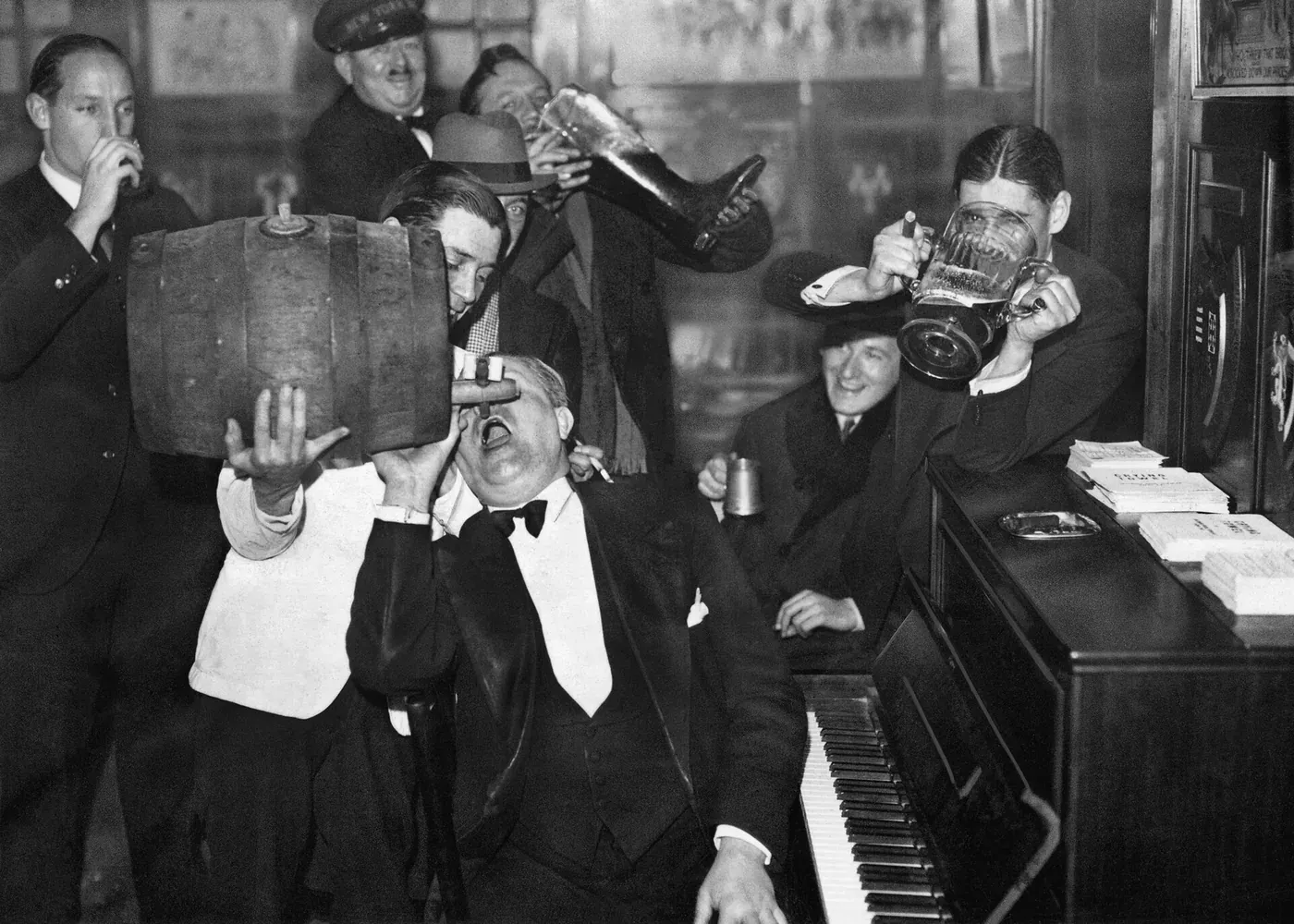
Nineteen thirty-three was a year of things Americans had been told to do without and finally got back. On 2 March, King Kong opened at Radio City Music Hall and the RKO Roxy, and fifty thousand people came through the doors on its first day alone to watch a giant ape climb a building most of them had never had a reason to visit. And on 5 December, after thirteen dry years, the Twenty-First Amendment ended Prohibition for good; in bars from Manhattan to Paris, people who had spent over a decade drinking whatever a bootlegger could get them finally had a legal glass in hand again.
Plates I & II



Ralph Wiley, a young Dow Chemical lab worker in Michigan, had a far smaller problem that year: he could not get his glassware clean. He was helping develop the dry-cleaning solvent perchloroethylene when a dark, waxy film turned up on the inside of a flask and simply would not scrub off. Most people would have cursed the mess and moved on to the next beaker. Wiley kept at it, and the residue he couldn’t remove turned out to be an entirely new polymer, one that would go on to keep the world’s leftovers fresh.
The film Wiley couldn’t remove was polyvinylidene chloride, and its most striking quality was precisely the one that had frustrated him: it was almost impossibly impervious. Water, air, grease and aroma all found it nearly impossible to pass through. What began as a cleaning nuisance was, in truth, one of the finest barrier materials ever stumbled upon, a molecular wall that Dow would later christen with the name Saran.
Molecular Architecture: A Wall Built of Chlorine
The secret to PVDC’s remarkable barrier lies in its dense, tightly packed structure. Each repeating unit carries two chlorine atoms, large and heavy, that pull the chains into a closely knit, highly crystalline arrangement, a brick wall in which every brick is oversized and fits its neighbors almost perfectly, leaving no room for a wandering molecule of oxygen or water vapor to slip through. This is why PVDC has one of the lowest gas and moisture permeabilities of any common plastic, a property that translates directly into longer-lasting food.
PVDC is noticeably heavier than most everyday plastics (all that chlorine again), and it is self-extinguishing, resistant to acids, alcohols, oils and greases, and stubbornly stable in storage. It is not the material’s strength or clarity that makes it valuable; a thin PVDC film is neither especially strong nor especially stiff. Its value is its sheer refusal to let anything through, and in packaging, being an excellent gatekeeper is worth more than being beautiful.
Manufacturing Journey: From Military Coating to Kitchen Drawer
PVDC’s early life was not in the kitchen at all. During the Second World War, Dow’s green film found its first serious calling as a protective coating, sprayed onto fighter aircraft to shield them from corrosive salt spray and wrapped around military equipment shipped by sea. Its imperviousness, once a laboratory annoyance, had become a wartime asset.
After the war, Dow set about taming the material for civilian life, stripping away its unpleasant color and odor to produce a clear, clean film. Dow began selling it commercially in 1949, and by 1953 Saran Wrap had reached American kitchens as the company’s first true consumer product; the polymer that had once resisted a scrub brush now clung obligingly to bowls and plates. Today PVDC more often appears as a thin barrier layer sandwiched inside multilayer films and coatings than as a standalone wrap, lending its impermeability to packaging that must keep oxygen and moisture out without needing to be the whole film itself.
Applications and Impact: The Guardian of Freshness
For decades, PVDC has stood as an invisible guardian between food and spoilage. Its barrier to oxygen slows the staling and rancidity that ruin perishable goods, while its resistance to moisture and aroma keeps flavors locked in and odors locked out. Cheeses, cured meats and countless other packaged foods owe part of their shelf life to a whisper-thin layer of this chlorine-rich polymer.
Plate III
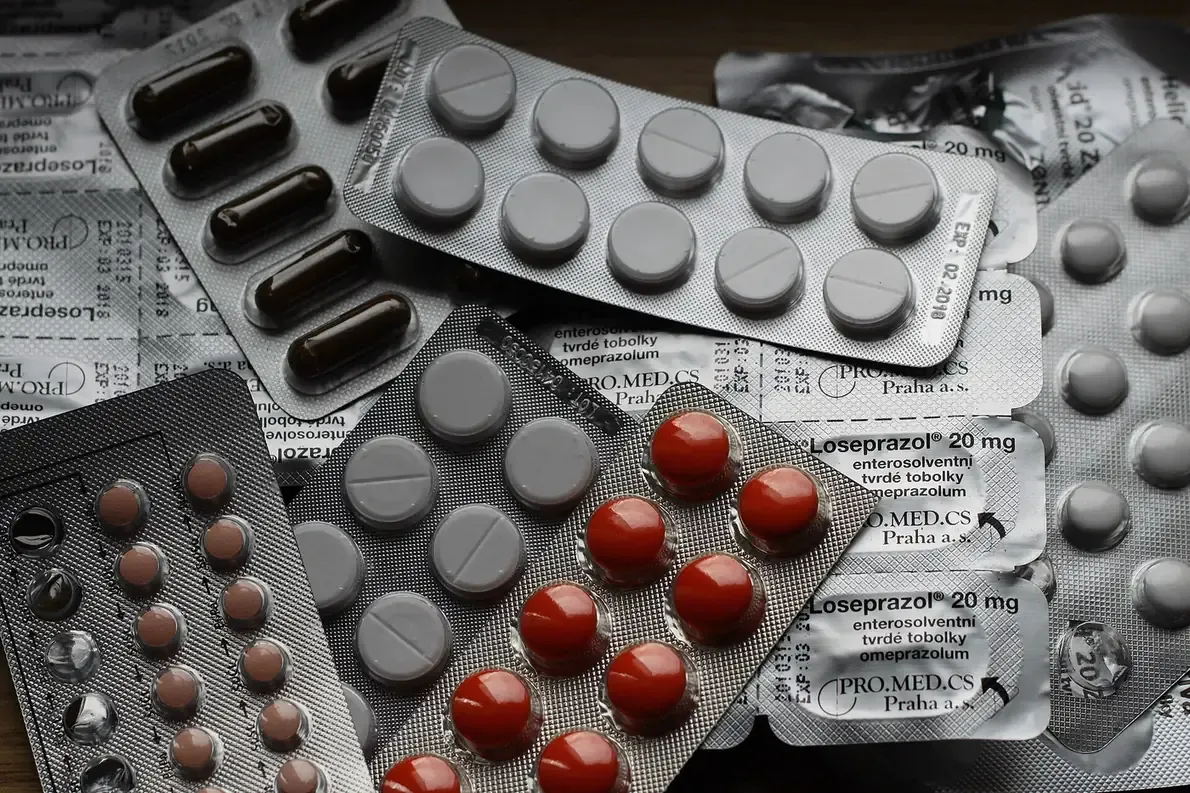

Beyond the kitchen, PVDC coatings help protect moisture-sensitive tablets in pharmaceutical blister packs, line industrial pipe against corrosion, and turn up in fibers, screens and specialty films. Its trade name Saran became so familiar that it slid into everyday speech as a generic word for cling film. That is a rare linguistic honor, shared with the likes of Kleenex, that marks a material’s deep entanglement with ordinary life.
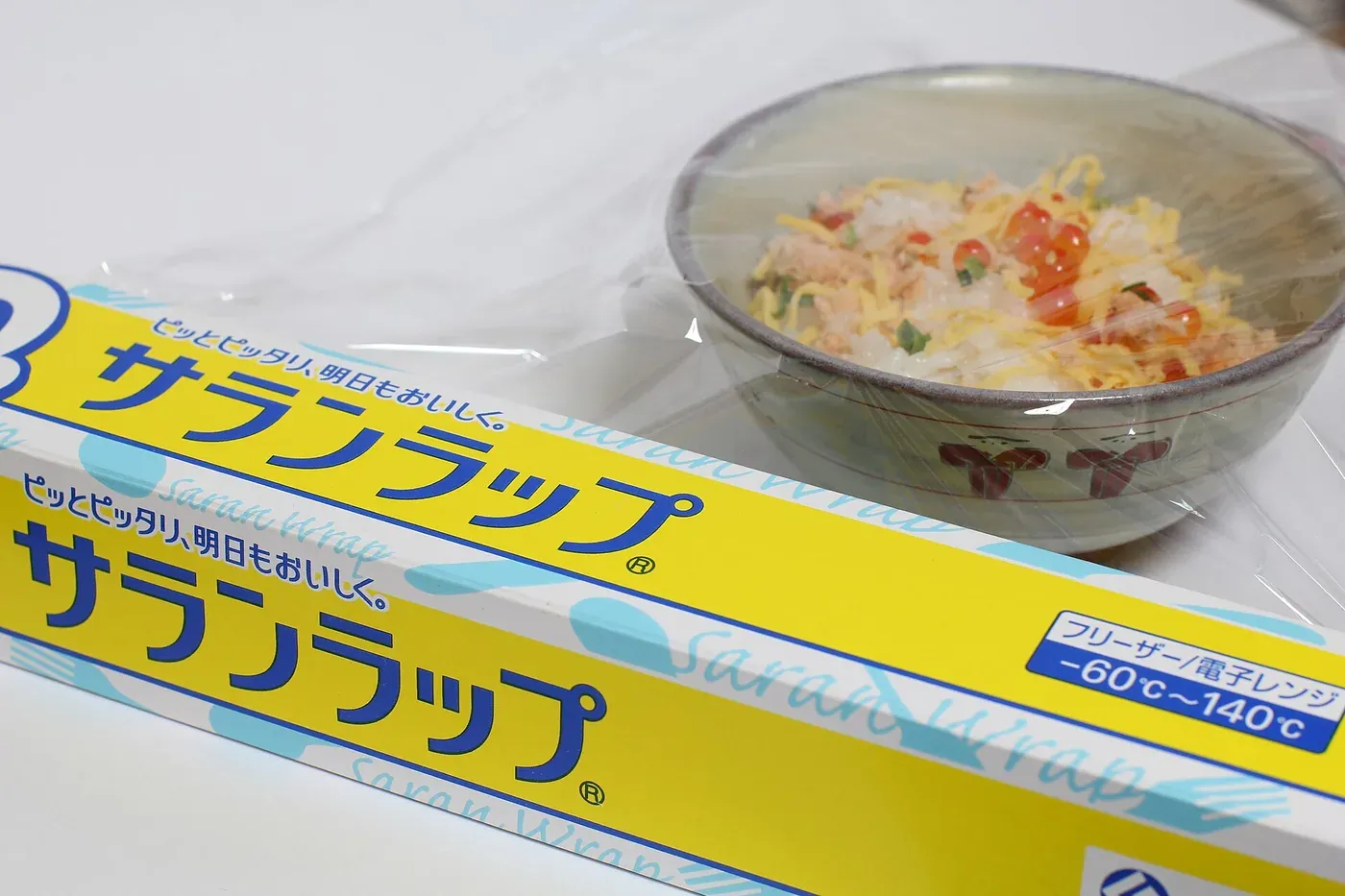
Plate IV

A Barrier Reconsidered
PVDC’s very strength (its high chlorine content) has become the subject of modern environmental scrutiny, and some manufacturers have shifted toward chlorine-free alternatives for certain uses; Dow itself reformulated retail Saran Wrap away from PVDC in 2004. Yet for applications where barrier performance is non-negotiable, few materials match its ability to hold back the passage of air and moisture, and researchers continue to refine thinner, more efficient PVDC layers that deliver the same protection with less material.
From an unscrubbable stain in a Depression-era beaker to a global mainstay of food preservation, PVDC is a testament to the value of paying attention to accidents. Ralph Wiley’s stubborn green film is a reminder that the properties which frustrate us in one context can, in another, become exactly what the world needs.
values with [n] cite the numbered references·estimates are flagged·“not yet available” and “N/A” are honest states, not gaps
fetching the model…
Polyvinylidene Chloride repeat unit
- Abbreviation
- PVDC
- Type
- polymer family (hub)
- CAS number
- 9002-85-1
- Resin ID code
- none assigned
- Formula
- (C2H2Cl2)n[-CH2-CCl2-]n
- Repeat unit (BigSMILES)
{[][$]CC(Cl)(Cl)[$][]}- IUPAC name
- —
- Synonyms
- Saran
- Also known as
- Saran
- Chemical family
- vinyl-polymer
- Backbone class
- carbon-chain
- Polymerization mechanism
- free-radical
- Constitutional monomer
- Vinylidene chloride
- Polymer class
- thermoplastic
- Year of origin
- 1933
- Era
- The Birth of Synthetic Polymers (1907-1938): The Bakelite Revolution
- Key figures
- Ralph Wiley
- Events referenced
- King Kong premieres at Radio City Music Hall, New York (2 March 1933) · Twenty-First Amendment ends Prohibition (5 December 1933)
- Polymerization type
- free-radical chain-growth
- Common monomers (feedstocks)
- vinylidene chloride (often copolymerized with vinyl chloride or acrylates)
- Catalysts
- not yet available
Ralph Wiley discovered PVDC accidentally in 1933 while working as a dishwasher in a Dow Chemical laboratory (the first product was a 'greasy, dark green film'). Dow commercialized it as Saran; Saran Wrap launched in 1953. In 2004, Saran Wrap itself was reformulated to low-density polyethylene due to environmental concerns about the chlorine content of PVDC.
- Tacticity
- not yet available
- Crystal structure
- Monoclinic unit cell (a≈0.672 nm, b≈1.252 nm, c≈0.468 nm, β≈123°); rapid crystallization around 140–150°C.
- Typical crystallinity
- 5 (4–6) %[2]
Molecular weight
- Number average (Mn)
- not yet available
- Mass average (Mw)
- 115000 (105000–125000) g/mol[2]
- Dispersity (Mw/Mn)
- 1.75 (1.5–2)[2]
| Solvent | T | M range | K | a |
|---|---|---|---|---|
| 1-methyl-2-pyrrolidinone[3] | 298 K | — | 0.0131 mL/g | 0.69 |
| tetramethylene sulfoxide[3] | 298 K | — | 0.0139 mL/g | 0.69 |
| hexamethylenephosphoramide[3] | 298 K | — | 0.0258 mL/g | 0.65 |
Densely packed chlorine substituents give PVDC exceptionally low permeability to water, oxygen, and aroma compounds, which is its defining property.
- Density
- 1.7 g/cm³[2]20 °C; amorphous 1.775, crystalline 1.97 g/cm³
- Melt flow index
- not yet available
- Refractive index
- 1.615 (1.6–1.63)[2]20 °C
- Transmittance
- not yet available
- Haze
- not yet available
- Gloss
- not yet available
- Water absorption
- not yet available
- Dielectric constant
- not yet available
- Dielectric strength
- not yet available
- Electrical conductivity
- not yet available
- Glass transition (Tg)
- -18.15 °C[3]255 K, consistent across dilatometry, dynamic-mechanical, and DSC
- Melting temperature (Tm)
- 158–205 °C[2]DSC
- Crystallization (Tc)
- not yet available
- Heat deflection (HDT)
- Not applicable
- Decomposition onset
- 120 °C[2]decomposes above this temperature, releasing HCl
- Thermal conductivity
- not yet available
- Tensile modulus
- 483 MPa[3]machine (draw) direction, oriented film; transverse direction 34.5 MPa
- Yield strength
- 22.5 (19–26) MPa[2]tensile stress at yield; Mark also reports 69 MPa (machine direction, oriented film) and 19.3–36.2 MPa (molding resin grade)
- Tensile strength at break
- 46.5 (24–69) MPa[2]unoriented; oriented (drawn) film/fiber reaches 207–414 MPa
- Elongation at break
- 15 (10–20) %[2]unoriented; oriented film/fiber 15–40%
- Impact strength (Izod)
- 37.4 (21.35–53.38) J/m[3]notched, VD-VC molding resin grade
- Impact strength (Charpy)
- not yet available
- Hardness
- 55 Rockwell R[2]also reported as Rockwell M 50–65 for molding resin grade
- Flexural modulus
- 500 MPa[2]
- Poisson's ratio
- not yet available
- Coefficient of friction
- not yet available
- Solvent: oils_and_organic_solvents
- Insoluble; superior resistance to alkalis and acids[1]
- Solvent: acids
- very good[2]dilute and concentrated
- Solvent: alcohols
- very good[2]
- Solvent: alkalis
- good-poor[2]
- Solvent: aliphatic hydrocarbons
- good[2]
- Solvent: aromatic hydrocarbons
- fair-poor[2]
- Solvent: esters
- good-fair[2]
- Solvent: greases & oils
- good[2]
- Solvent: halogenated hydrocarbons
- fair-poor[2]
- Solvent: ketones
- fair[2]
- Weathering / UV
- not yet available
- Hydrolysis resistance
- Low moisture absorption; resistant to mold, bacteria, and insects[1]
- Flammability (UL94)
- V-0[2]
- Limiting oxygen index
- 60 %[2]
- Solubility parameter (δ)
- 24.05 (23.1–25) MPa^0.5[2]
Gas permeability
- N₂
- 7.06 × 10⁻¹⁷ cm³(STP)·cm/(cm²·s·Pa)[2]25 °C
- O₂
- 3.83 × 10⁻¹⁶ cm³(STP)·cm/(cm²·s·Pa)[2]25 °C
- water vapor
- 7 × 10⁻¹³ cm³(STP)·cm/(cm²·s·Pa)[2]25 °C
Polymer-solvent interaction parameter (χ)
not yet available
- Processing methods
- blown/cast film extrusioncoating (as a barrier layer on other films)
- Drying required
- not yet determined
- Processing temperature
- not yet available
- Shrinkage rate
- 1.5 (0.5–2.5) %[2]
- Food packagingcling wrap · barrier coatings on other films/bottlesExceptional O2/moisture/aroma barrier extends shelf life.
- Householdcleaning cloths · filters · shower curtains
- Industrialscreens · wastewater treatment media
- Recyclable
- No
- Biodegradable
- No
- Degradation pathway
- Releases HCl on thermal decomposition above 125°C.
Chlorine content raised environmental concerns significant enough that Dow reformulated retail Saran Wrap to LDPE in 2004; PVDC remains in use mainly as a thin barrier coating rather than a bulk film.
- LD50 (oral, rat)
- not yet available
- NFPA health
- not yet available
- NFPA flammability
- not yet available
- NFPA reactivity
- not yet available
- Carcinogenic classification
- not yet available
- [1]Polyvinylidene chlorideWikipediaAccessed 2026-07-14https://en.wikipedia.org/wiki/Polyvinylidene_chloride[wiki-polyvinylidene-chloride]
- [2]Handbook of PolymersChemTec Publishinghttps://www.worldcat.org/isbn/9781895198928[handbook-wypych-2016]
- [3]Polymer Data HandbookOxford University Presshttps://search.worldcat.org/search?q=Polymer+Data+Handbook+Mark+1999[handbook-mark-1999]
Illustrations
- Plate IThe King Kong poster, March 1933: a fantasy of an oversized creature nobody could contain, the same season a much smaller, equally unshakeable substance turned up in a Dow beaker.Wikimedia Commons
- Plate IICelebrating the end of Prohibition, December 1933, the same year a Dow lab worker discovered a film so impervious that nothing, including a dishwashing brush, could get through it either.Wikimedia Commons
- Plate IIIPharmaceutical blister packaging: a use for the same barrier property that keeps oxygen and moisture-sensitive tablets stable until the foil is peeled back.Wikimedia Commons
- Plate IVSaran Wrap, still sold under Wiley's original trade name decades after Dow itself reformulated the retail product away from PVDC.Wikimedia Commons