The Birth of Synthetic Polymers (1907-1938): The Bakelite Revolution
Polystyrene (PS)
The Versatile Veteran of the Polymer World
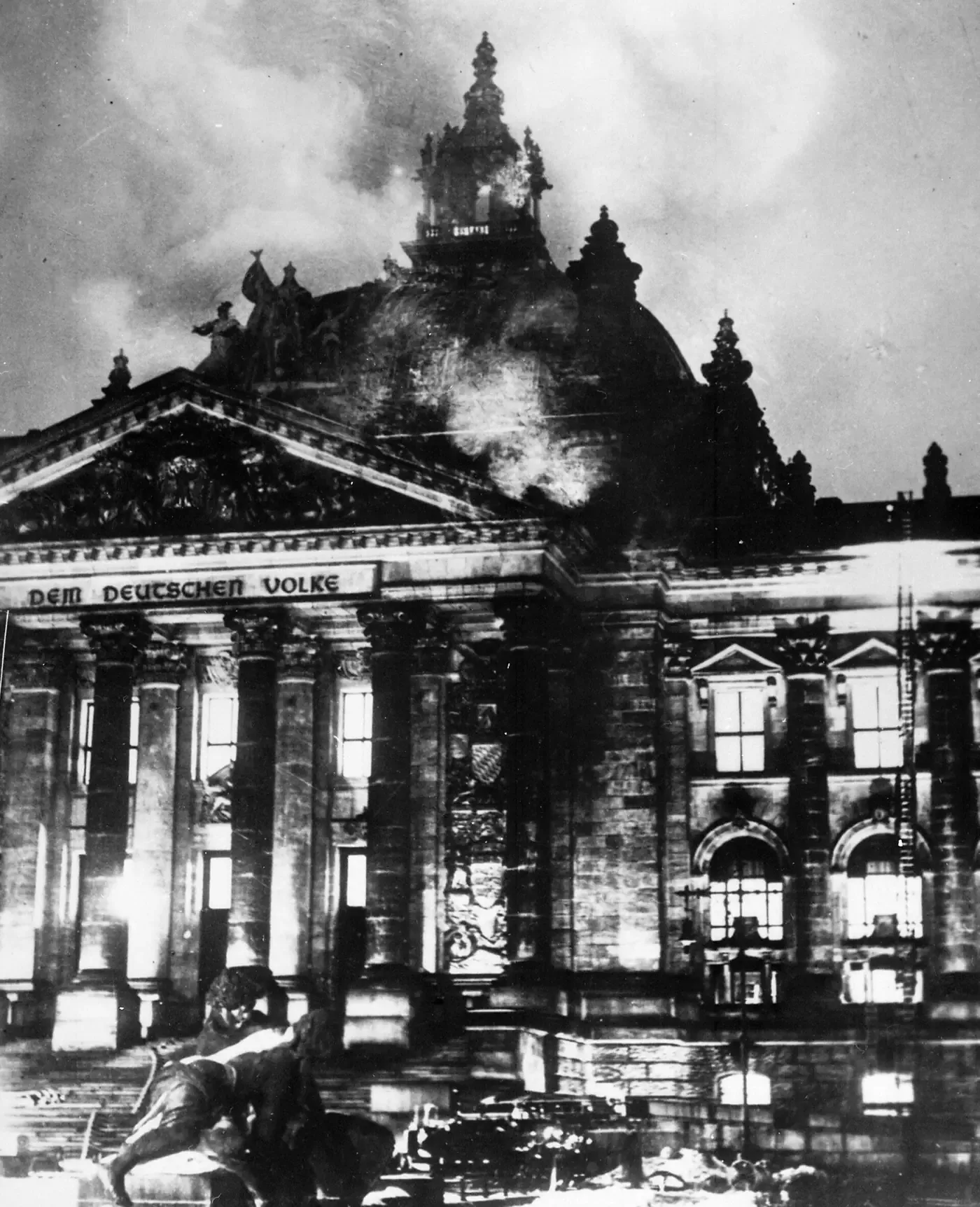
On the morning of 30 January 1933, a crowd packed the street outside the Reich President’s palace in Berlin to watch Adolf Hitler’s car arrive. Paul von Hindenburg had just appointed him Chancellor, and the men waving their hats below the windows had no way of knowing they were watching the last transfer of power the German republic would ever make peacefully. Six weeks later they would know. On 27 February the Reichstag burned; on 23 March the Enabling Act handed Hitler the power to rule by decree without it. Germany’s constitutional government ended within eight weeks of starting the year.
Plate I
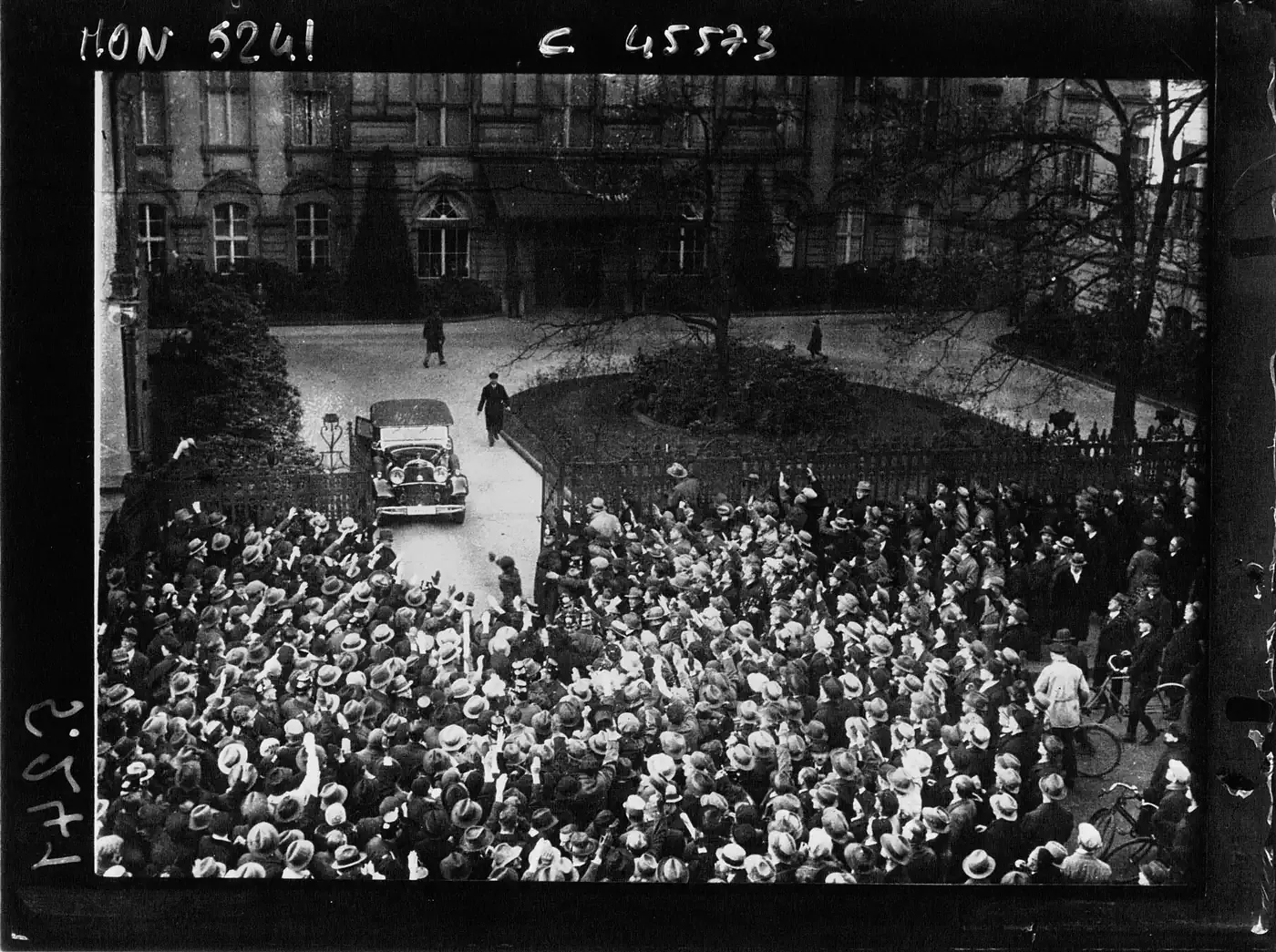

Plate II

A hundred and fifty miles to the southwest, on the Rhine at Ludwigshafen, none of this was news to the chemists at IG Farben’s central laboratory. A year earlier, in 1932, the plant’s managing director had taken Herman Mark aside and told him, plainly, that whatever Hitler was about to do would not be survivable for a foreigner whose father had been born Jewish, whatever Mark’s standing in the lab. Mark left for a professorship in Vienna before the Reichstag ever caught fire. He did not need to see 1933 to know what it would bring; he had already been warned by someone who did.
Plate III
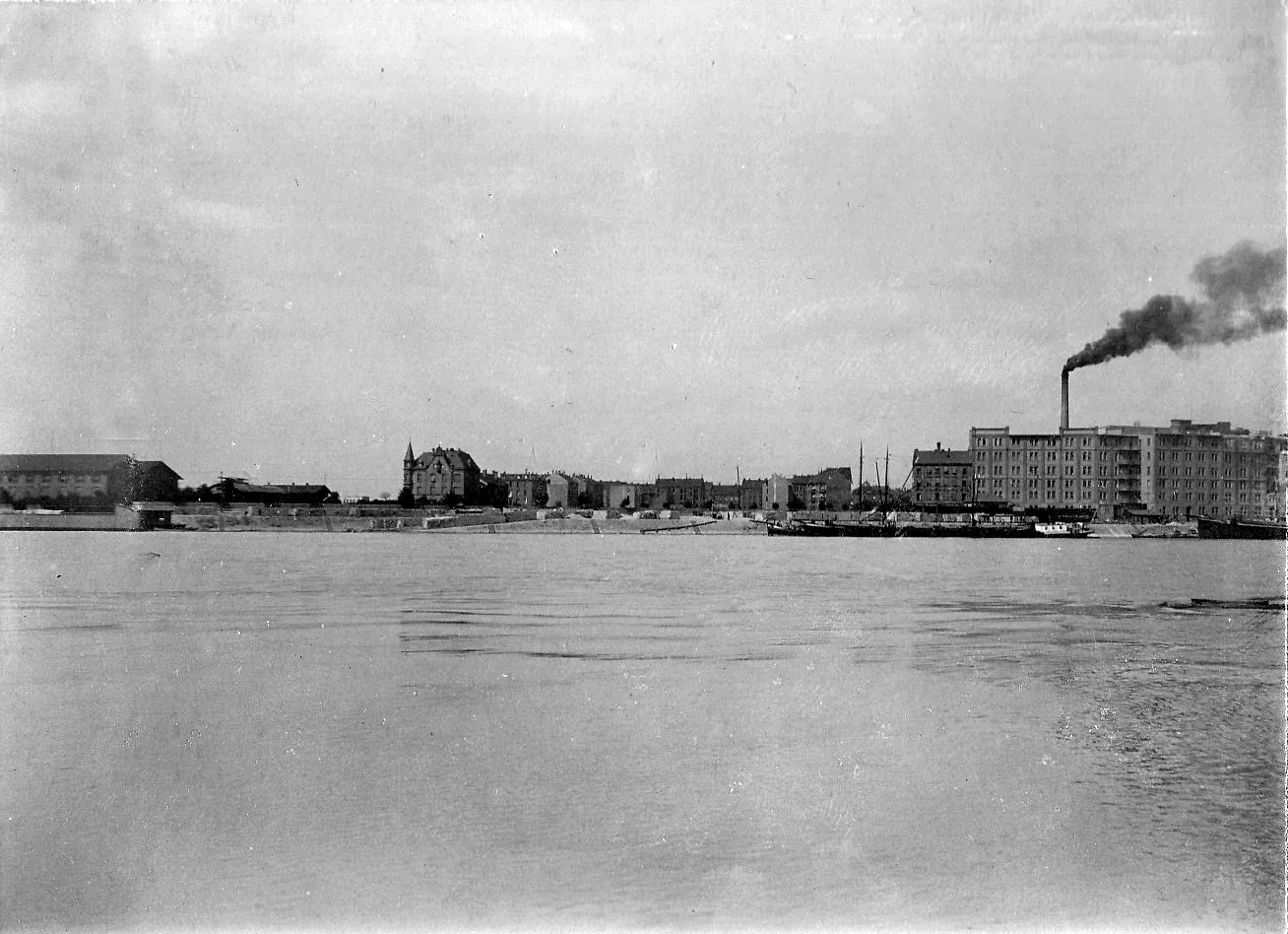

What Mark left behind was the process he had spent five years building: a way of turning , a simple oil that Germany could make from its own coal-tar benzene without importing anything, into a hard, clear plastic on an industrial scale. Ludwigshafen had been the world’s only polystyrene plant since around 1930, and it stayed that way through the mid-1930s. The chemistry did not change in 1933. The politics around it did. The new government’s drive to make German industry independent of foreign raw materials rewarded exactly this kind of product (a plastic built from what the country already had, not from an insect’s secretion or a colonial import), and demand for it grew accordingly through the years that followed.
An Accident, Then an Explanation
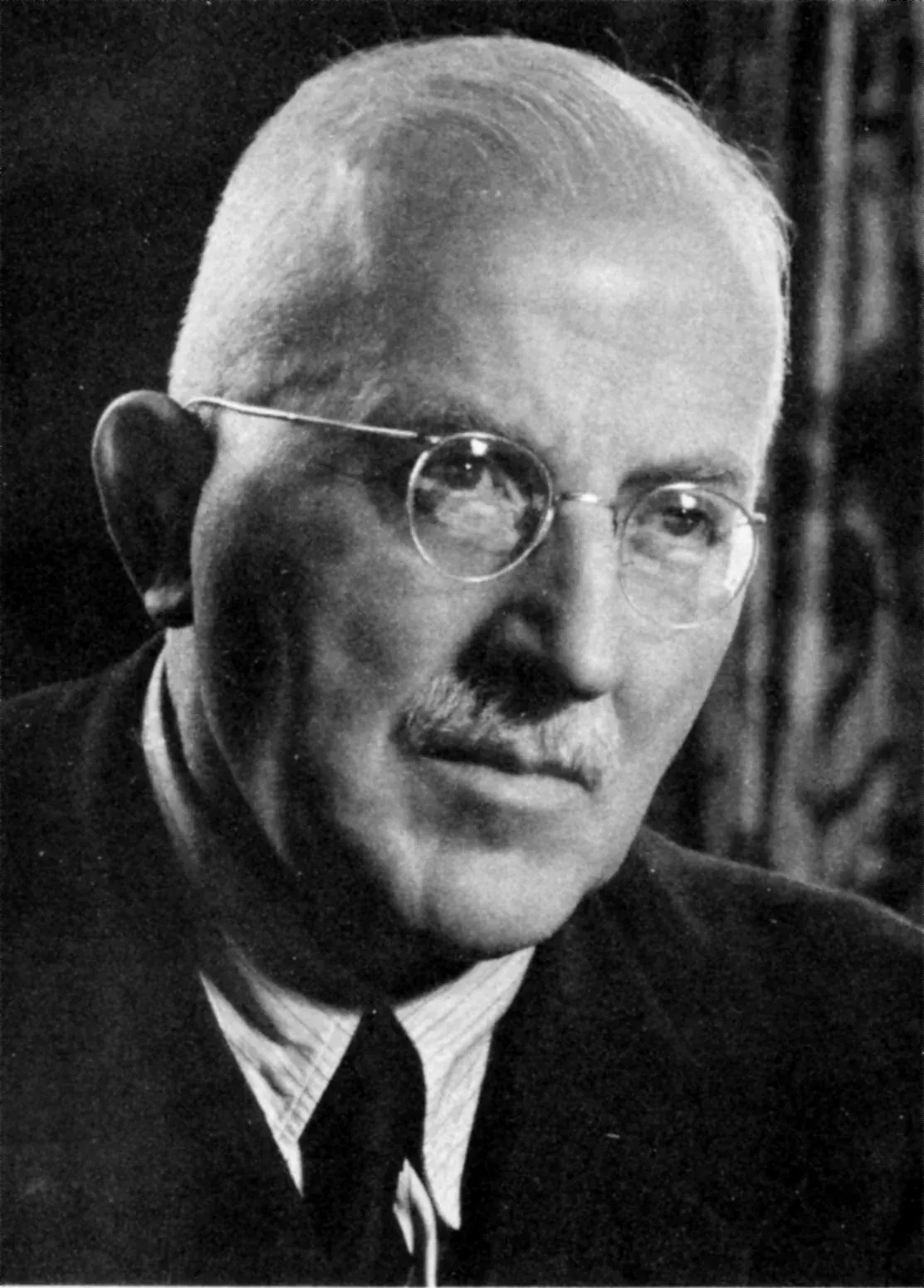
The molecule itself was almost a century old by then. In 1839, a Berlin apothecary named Eduard Simon distilled an oily substance from storax, the resin of the Oriental sweetgum tree, and called it styrol. Days later he noticed the liquid in his storage jar had thickened into a jelly, and assumed, wrongly, that it had absorbed oxygen from the air; he named the jelly “styrol oxide” and moved on. It took until 1866 for Marcellin Berthelot to recognise what Simon had actually watched happen: not oxidation, but polymerization, molecules of styrol joining end to end into long chains. Even then, nobody could say why a liquid would spontaneously do that. The explanation came from Hermann Staudinger, who argued from 1920 onward that such substances were not loose aggregates of small molecules but genuine giant ones, held together by ordinary chemical bonds. This was a claim the chemical establishment resisted for years before it won him the Nobel Prize in 1953. Polystyrene was one of the materials Staudinger used to make his case.
Plate IV

The Shape of the Molecule
Once the theory existed, the structure was easy to draw. Polystyrene is a plain carbon backbone, two carbons at a time, with a flat six-sided benzene ring hanging off every other one: a long chain wearing a ring on alternating links, like charms threaded at even intervals along a bracelet. Those rings are bulky and rigid, and because there are so many of them crowded along the chain, they stop neighbouring chains from sliding past each other or folding into any regular, repeating pattern. Left alone, the commercial polymer is atactic: the rings sit at random along the backbone, with no order to them at all, which is exactly why it never crystallizes and always sets as a clear glass rather than a cloudy solid. A different catalyst can force the rings into a strict alternating pattern instead (syndiotactic polystyrene), and that version does crystallize, at the cost of the transparency the ordinary material is known for.
What the Numbers Mean
Ordinary polystyrene is denser than water, though not by much, and it is one of the clearest plastics made: light passes through it with almost nothing scattered or absorbed, which is why it was an early choice for lenses and optical parts before it was ever a coffee cup. That clarity comes with brittleness: it is stiff enough to hold a sharp edge or a crisp corner, but it will snap rather than bend, taking almost no stretch before it fractures. Heat does not treat it kindly either: it softens at a temperature well below boiling water, and because the ordinary grade is amorphous it has no true melting point at all; push it hot enough and it simply flows, rather than passing through a sharp transition the way a crystalline plastic does. It burns readily in open air rather than smothering itself, which is one reason foam grades are often treated with a flame retardant before they reach a building site. Chemically it is a mixed bag: dilute acids and alkalis barely touch it, but oils, greases, and the aromatic and chlorinated solvents that dissolve grease will also dissolve or craze polystyrene on contact. This is a fact anyone who has set a plastic fork down in gasoline can confirm. It absorbs almost no water, which is part of why it insulates so reliably even in damp conditions.
From Monomer to Object
The route from raw material to finished plastic starts with ethylbenzene, made from and and then stripped of two hydrogen atoms in a high-temperature catalytic step to yield styrene. From there, free-radical initiators set off polymerization in bulk or in suspension, stitching styrene molecules end to end into chains thousands of units long. Manufacturers can also graft the growing polystyrene onto dissolved polybutadiene rubber first, scattering microscopic rubber droplets through the finished plastic. This is the basis of high-impact polystyrene, tougher and cloudier than the crystal-clear general-purpose grade.
From there, the finished resin becomes an object by one of a handful of routes: injection molding forces the molten polymer into a precision cavity, extrusion pushes it continuously through a shaped die to make sheet or film, and thermoforming reheats that sheet just enough to drape it over a mold. Foaming is its own trade: small polystyrene beads are impregnated with a low-boiling hydrocarbon such as pentane, then heated with steam until each bead swells into a cluster of gas-filled cells many times its original size. How fast the plastic cools after any of these steps decides what you get: a rapid quench locks in the amorphous clarity that makes a clear plastic cup or a CD case, while a slower, warmer cycle relieves the internal stresses that make a molded part brittle at the corners. Both routes start from the same resin; only the schedule differs.
One Molecule, Several Careers
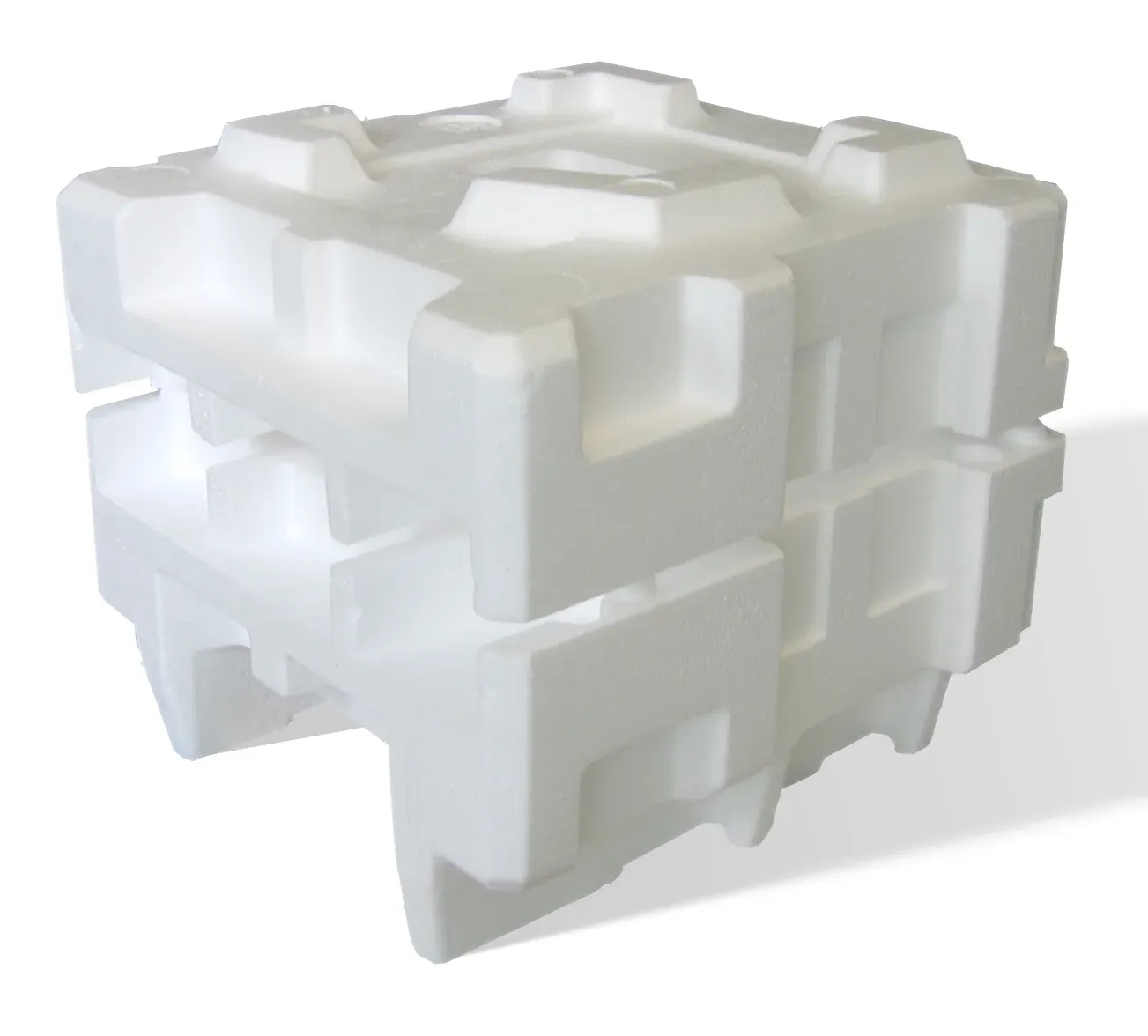
The general-purpose, crystal-clear grade is what most people picture, but it is only the starting point. Blend in rubber and the same backbone becomes high-impact polystyrene, tough enough for the housing of a television or a kitchen appliance instead of the display case around it. Foam it, and it becomes something else again: Dow’s chemists stumbled onto a way of foaming polystyrene by accident in the early 1940s, spent the rest of that decade turning the accident into a product, and sold it from 1954 as Styrofoam, a trademark the public has used ever since for almost any foam plastic, whether Dow made it or not. Expanded polystyrene, made from pre-foamed beads fused together in a mold, is mostly trapped air held in a fine plastic scaffold; extruded polystyrene, made by a continuous process instead, packs that same trapped air into smaller, more even cells, which is why it insulates a little better and takes moisture a little less readily.
Applications: From Coffee Cups to Cell Cultures
That range of forms explains why polystyrene turns up in such different places. The foam cup that keeps a coffee hot is trapped air doing the insulating, at a fraction of the weight of anything else that would do the same job; the same principle, in board form, lines the walls and roofs of buildings, where an inch of foam does the work of several inches of older insulation. The clear, rigid grade goes into jewel cases and food packaging that has to show what is inside it, while the rubber-toughened grade becomes the housing around a television or a printer, molded to close tolerances and able to survive a drop. In laboratories, surface-treated polystyrene dishes and culture plates gave biology a cheap, optically clear, sterile surface to grow cells on. This was an unglamorous but genuine contribution to a century of research.
Plate V

Looking Forward
Ninety years on, polystyrene sits at an uncomfortable crossroads: cheap, useful, and durable in exactly the ways that make it a problem once it is thrown away. That durability has drawn attention from an unexpected direction: researchers have found that certain mealworms and their gut bacteria can actually digest polystyrene foam, breaking the chain back down into smaller fragments the insect can process. It is a long way from a recycling plant, but it is a real crack in a material once assumed to be permanent, and it points toward the kind of chemistry that might eventually close the loop Simon opened by accident in a Berlin storeroom.
values with [n] cite the numbered references·estimates are flagged·“not yet available” and “N/A” are honest states, not gaps
fetching the model…
Polystyrene repeat unit
- Abbreviation
- PS
- Type
- polymer family (hub)
- CAS number
- 9003-53-6
- Resin ID code
- 6
- Formula
- (C8H8)n[-CH2-CH(C6H5)-]nShows the chain connectivity common to all forms. Whether the phenyl rings fall randomly along the backbone (atactic, the amorphous commercial default) or in a strict repeating pattern (syndiotactic, crystalline) is a matter of catalyst choice, not something this notation distinguishes.
- Repeat unit (BigSMILES)
{[][$]CC(c1ccccc1)[$][]}- IUPAC name
- Poly(1-phenylethane-1,2-diyl)
- Synonyms
- Styrofoam (expanded-foam trade name)
- Also known as
- Styrofoam
- Chemical family
- styrenic
- Backbone class
- carbon-chain
- Polymerization mechanism
- free-radicalanionic
- Constitutional monomer
- Styrene
- Polymer class
- thermoplastic
- Year of origin
- 1933
- Era
- The Birth of Synthetic Polymers (1907-1938): The Bakelite Revolution
- Key figures
- Eduard Simon · Hermann Staudinger · Hermann Franz Mark
- Polymerization type
- free-radical or anionic chain-growth
- Common monomers (feedstocks)
- styrene
- Catalysts
- not yet available
Eduard Simon first isolated the material from storax resin in 1839, naming it 'Styroloxyd'. IG Farben began industrial manufacture in Ludwigshafen around 1931 with pellet extrusion technology; Dow Chemical later commercialized foam variants, patenting Styrofoam in 1944. Free-radical polymerization of styrene yields chains of several thousand monomer units (MW 100,000–400,000 g/mol).
- Tacticity
- Predominantly atactic in commercial free-radical grades (amorphous, transparent); syndiotactic PS (crystalline) is made via metallocene catalysis for higher-heat applications.
- Crystal structure
- not yet available
- Typical crystallinity
- 0 %[3]Atactic PS is amorphous (non-crystalline); only syndiotactic grades crystallize.
Molecular weight
- Number average (Mn)
- 103000–1998000 g/mol[3]Broad literature range across commercial GPPS grades.
- Mass average (Mw)
- 258000–2038000 g/mol[3]Broad literature range across commercial GPPS grades.
- Dispersity (Mw/Mn)
- 1.02–3.5[3]
| Solvent | T | M range | K | a |
|---|---|---|---|---|
| benzene[4] | 298 K | 70–1,800 kg/mol | 0.0113 mL/g | 0.73 |
| butyl chloride[4] | 314 K | 290–1,060 kg/mol | 0.0151 mL/g | 0.659 |
| chlorobenzene[4] | 299 K | 620–4,240 kg/mol | 0.0074 mL/g | 0.749 |
| chloroform[4] | 298 K | 120–2,800 kg/mol | 0.00716 mL/g | 0.76 |
| cyclohexane[4] | 307 K | 10–700 kg/mol | 0.082 mL/g | 0.5 |
| dimethylformamide[4] | 308 K | 4–870 kg/mol | 0.0318 mL/g | 0.603 |
| dioxane[4] | 307 K | 80–800 kg/mol | 0.015 mL/g | 0.694 |
| ethylbenzene[4] | 298 K | 70–1,500 kg/mol | 0.0176 mL/g | 0.68 |
| tetrahydrofuran[4] | 298 K | 10–1,000 kg/mol | 0.011 mL/g | 0.725 |
| toluene[4] | 303 K | 400–3,700 kg/mol | 0.012 mL/g | 0.71 |
- Density
- 1.05 (1.04–1.06) g/cm³[3]Solid, general-purpose (unfilled) grade at 20 °C.
- Melt flow index
- 3.3–14 g/10min[3]230 °C / 3.8 kg.
- Refractive index
- 1.5894–1.6[3]20 °C, experimental values.
- Transmittance
- 89.5 (89–90) %[3]
- Haze
- 1.1 (1–1.2) %[3]
- Gloss
- 87.5 (80–95) %[3]ASTM D52360° geometry.
- Water absorption
- 0.065 (0.03–0.1) %[3]Equilibrium, immersed in water at 23 °C.
- Dielectric constant
- 2.5 (2.4–2.7)[3]100 Hz to 1 MHz.
- Dielectric strength
- not yet available
- Electrical conductivity
- 1 × 10⁻²⁰–1 × 10⁻¹⁸ S/m[3]Reciprocal of reported volume resistivity (1×10¹⁸-1×10²⁰ Ω·m).
- Glass transition (Tg)
- 93.5 (85–102) °C[3]Atactic polystyrene; experimental range reflects molecular-weight/grade dependence.
- Melting temperature (Tm)
- Not applicableAtactic PS is amorphous; no true melting point.
- Crystallization (Tc)
- Not applicable
- Heat deflection (HDT)
- 79 (72–86) °C[3]1.8 MPa.
- Decomposition onset
- 285 °C[3]
- Thermal conductivity
- 0.105–0.128 W/(m·K)[3]Solid state, ~20–100 °C.
- Tensile modulus
- 2775 (2250–3300) MPa[3]
- Yield strength
- Not applicableAtactic PS is brittle and does not exhibit a distinct yield region before break; see tensile_strength_at_break.
- Tensile strength at break
- 53 (40–66) MPa[3]
- Elongation at break
- 2.5 (2–3) %[3]
- Impact strength (Izod)
- 16 (12–20) J/m[3]Notched, 23 °C.
- Impact strength (Charpy)
- 3.5 (3–4) kJ/m²[3]Notched, 23 °C.
- Hardness
- 61 (58–64) Rockwell M[3]L scale 90–94 also reported.
- Flexural modulus
- 3580 (3530–3630) MPa[3]
- Poisson's ratio
- 0.342 (0.33–0.354)[3]Experimental value.
- Coefficient of friction
- 0.27 (0.26–0.28)[3]ASTM D1894Chrome steel counterface.
- Solvent: dilute acids
- very good[3]
- Solvent: concentrated acids
- poor[3]
- Solvent: alcohols
- good[3]
- Solvent: alkalis
- good[3]
- Solvent: aliphatic hydrocarbons
- poor[3]
- Solvent: aromatic hydrocarbons
- poor[3]
- Solvent: esters
- poor[3]
- Solvent: greases & oils
- poor[3]
- Solvent: halogenated hydrocarbons
- poor[3]
- Solvent: ketones
- poor[3]
- Weathering / UV
- not yet available
- Hydrolysis resistance
- Not applicable
- Flammability (UL94)
- HB[3]1.6/0.8 mm specimen thickness.
- Limiting oxygen index
- 17.95 (17.8–18.1) %[3]
- Solubility parameter (δ)
- 17.45–23.9 MPa^0.5[3]Experimental range across cited literature sources.
Gas permeability
- O₂
- 1.9 × 10⁻¹³ cm³(STP)·cm/(cm²·s·Pa)[3]25 °C.
- water vapor
- 1.35 × 10⁻¹⁰ cm³(STP)·cm/(cm²·s·Pa)[3]25 °C.
Polymer-solvent interaction parameter (χ)
- acetone
- 0.81–1.1[4]298 K, polymer volume fraction 0.6–1.
- benzene
- 0.26–0.42[4]298 K, polymer volume fraction 0.2–0.8.
- chloroform
- 0.17–0.52[4]298 K, polymer volume fraction 0.2–0.8.
- cyclohexane
- 0.5–0.93[4]307 K, polymer volume fraction 0–0.8.
- methylcyclohexane
- 0.49–0.67[4]349 K, polymer volume fraction 0–0.4.
- methyl ethyl ketone
- 0.63–0.77[4]298 K, polymer volume fraction 0.4–0.8.
- propyl acetate
- 0.66[4]298 K, polymer volume fraction 0.4–0.8.
- toluene
- 0.16–0.37[4]298 K, polymer volume fraction 0.2–1.
- Processing methods
- injection moldingextrusionexpanded-bead foaming (EPS)
- Drying required
- not yet determined
- Packagingfoam packaging/peanuts · jewel cases
- Food servicefood containers · disposable cutlery
- Constructionbuilding/board insulation (EPS/XPS)
- Laboratorypetri dishes · microplates
- Recyclable
- Yes
- Biodegradable
- No
- Degradation pathway
- not yet available
Resin identification code 6; foam grades (EPS) are bulky and rarely recycled in practice despite being technically recyclable.
- [1]PolystyreneWikipediaAccessed 2026-07-14https://en.wikipedia.org/wiki/Polystyrene[wiki-polystyrene]
- [2]Resin Identification Codes (RICs), as Specified by ASTM D7611The ANSI BlogAccessed 2026-07-14; confirms PVC = RIC 3https://blog.ansi.org/ansi/resin-identification-codes-rics-astm-d7611/[ansi-resin-codes]
- [3]Handbook of PolymersChemTec Publishinghttps://www.worldcat.org/isbn/9781895198928[handbook-wypych-2016]
- [4]Polymer Data HandbookOxford University Presshttps://search.worldcat.org/search?q=Polymer+Data+Handbook+Mark+1999[handbook-mark-1999]
Illustrations
- Plate IHitler's car reaches the Reich President's palace on 30 January 1933, the morning of his appointment as Chancellor.Wikimedia Commons
- Plate IIThe Reichstag ablaze on the night of 27 February 1933, four weeks into the new government.Wikimedia Commons
- Plate IIIThe Ludwigshafen riverfront on the Rhine, photographed from Mannheim in the mid-1920s. This was the site of the works where polystyrene became an industrial material.Wikimedia Commons
- Plate IVHermann Staudinger, whose macromolecular theory explained what Simon's jelly actually was, eight decades after the fact.Wikimedia Commons
- Plate VMolded expanded polystyrene, doing what it does best: holding something fragile inside a block of mostly trapped air.Wikimedia Commons