The Post-War Boom (1946-1960)
DNA and RNA
Nature's Information Architects
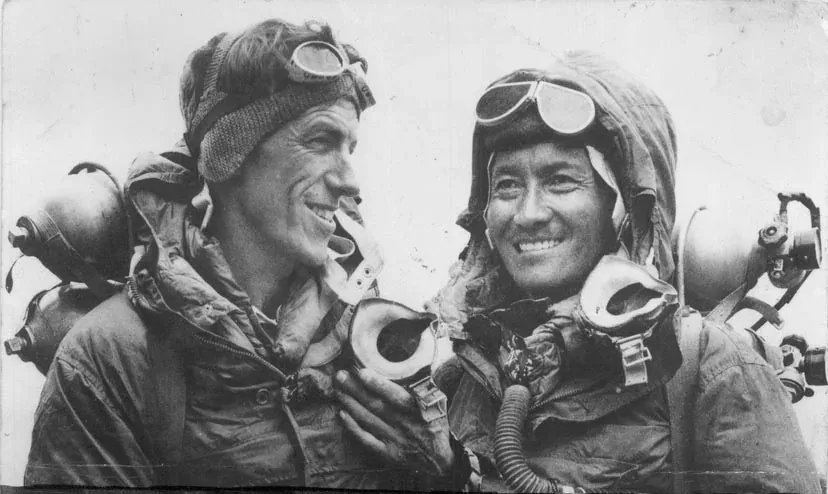
On 29 May 1953, Edmund Hillary and Tenzing Norgay stood on the summit of Everest, the last unclimbed point on Earth that people had actually been trying to reach for decades. Four weeks earlier, in Cambridge, two other men had reached a summit of a different kind: a structure for the molecule that carries every organism’s inherited instructions, worked out not by trekking toward it but by bending wire and sheet metal into shapes until one of them finally fit the evidence.
Plate I

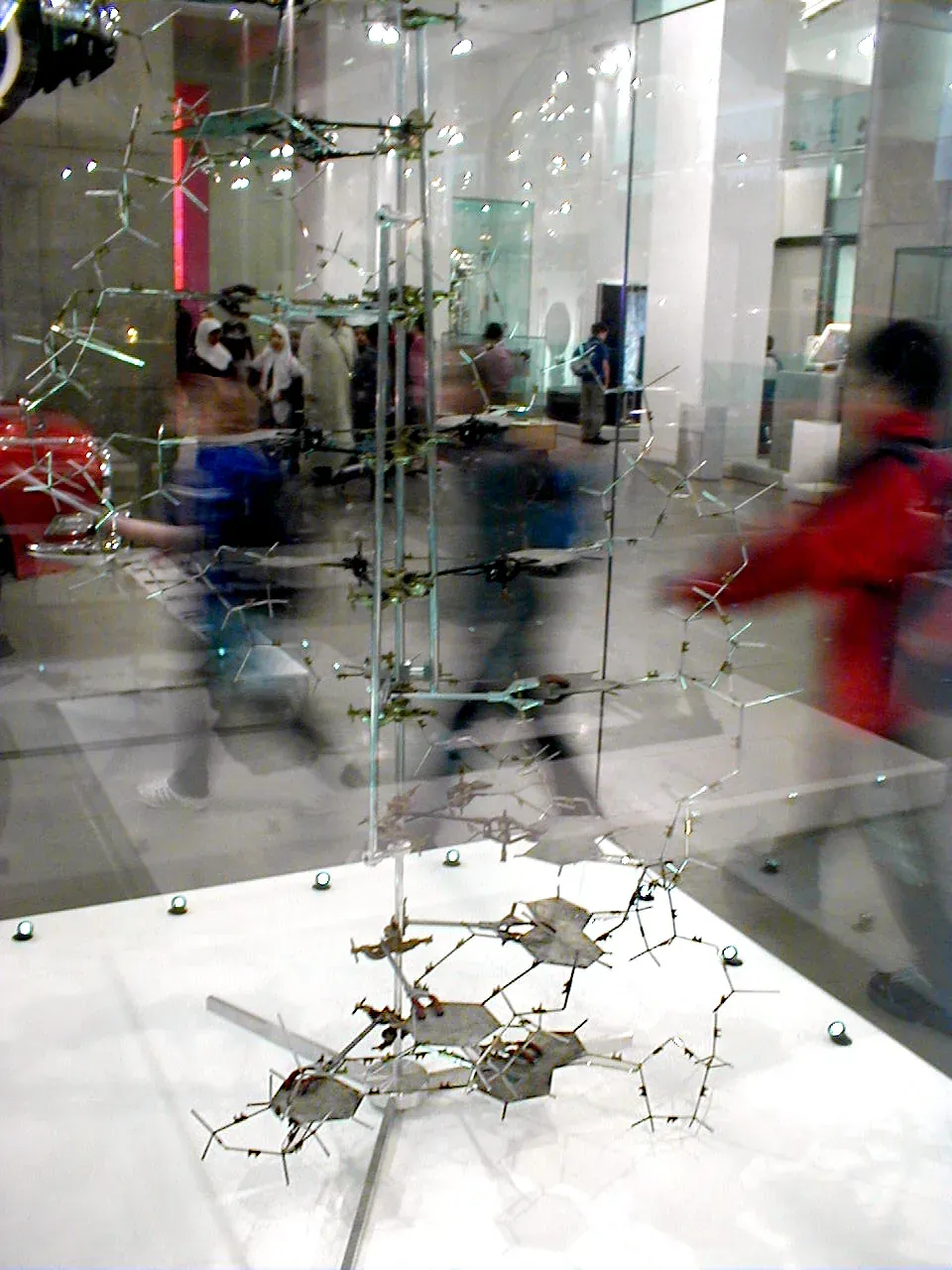
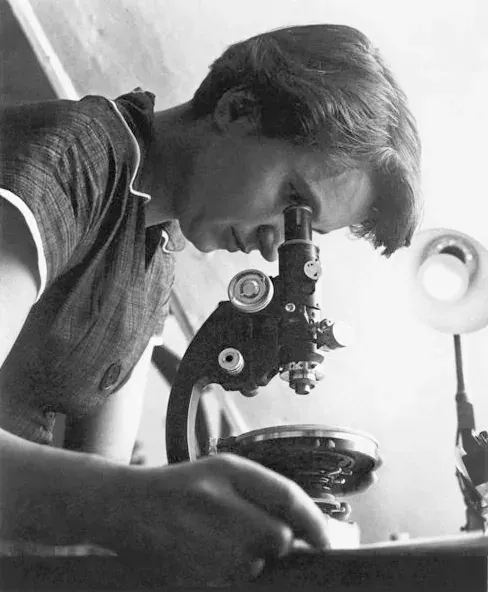
James Watson and Francis Crick, working at Cambridge’s Cavendish Laboratory, were not the only people trying to solve DNA’s structure in 1953, and they did not solve it alone. Their model depended on X-ray diffraction data gathered at King’s College London by Rosalind Franklin and her student Raymond Gosling: in particular a now-famous image, Photo 51, that Franklin’s colleague Maurice Wilkins showed Watson without her knowledge. Franklin had already noted, in her own unpublished analysis, that the pattern implied a helical structure; what Watson and Crick added was the successful physical model (two sugar-phosphate backbones wound around each other in a double helix, held together by pairs of bases reaching in from each strand) that explained not just DNA’s shape but how it could be copied. Watson, Crick, and Wilkins shared the 1962 Nobel Prize; Franklin, who had died of cancer in 1958, was by the rules of the prize ineligible, though modern accounts of the discovery now credit her data as decisive rather than incidental.
What the Molecule Actually Is
DNA and RNA are polymers built the way any polymer is: a repeating backbone with a variable unit hanging off each repeat. In DNA’s case the backbone alternates a sugar (deoxyribose) with a phosphate group, and the variable unit is one of four nitrogenous bases (adenine, thymine, guanine, or cytosine) attached to each sugar. Because adenine only pairs with thymine, and guanine only with cytosine, each strand of the double helix carries enough information to reconstruct its partner, which is the entire mechanism behind both heredity and DNA’s use as a copyable archive: unwind the helix, and each old strand serves as the template for a new complementary one. DNA’s assembled state is compact and remarkably stable for something so information-dense, coiled tightly enough to fit millions of times its own length into a cell nucleus, yet loosely enough to still unwind for reading and copying whenever the cell calls for it.
Plates II & III

.jpg)
RNA is DNA’s single-stranded relative: ribose in place of deoxyribose, uracil in place of thymine, and none of the double helix’s rigidity. That extra flexibility suits RNA’s job, which is less about long-term storage and more about carrying instructions out to where proteins actually get built, among a growing list of other things RNA turns out to do on its own.
Plate IV
.jpg)
From the Cell to the Bench
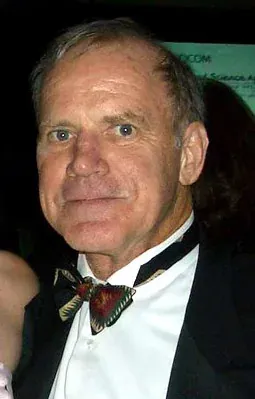
Cells copy DNA with an accuracy that laboratory chemistry still cannot casually match: as low as one error per billion base pairs, achieved by enzymes called DNA polymerases proofreading their own work as they go. Arthur Kornberg isolated the first of these polymerases in 1956, which gave chemists a tool rather than just a description. The tool that turned this into everyday laboratory practice came later: in 1983, Kary Mullis worked out that repeated cycles of heating and cooling, combined with a heat-tolerant polymerase, could copy one specific stretch of DNA billions of times over in an afternoon. The polymerase chain reaction, PCR, won Mullis the 1993 Nobel Prize in Chemistry and became the basic operation underneath forensic DNA matching, most genetic diagnostics, and, decades later, the nasal-swab tests that identified individual COVID-19 infections.
Plate V

What the Structure Made Possible
Once DNA’s structure and copying mechanism were understood, reading and manipulating it became an engineering problem rather than a mystery. Frederick Sanger published the first practical sequencing method in 1977, work that earned him a second Nobel Prize in 1980. The Human Genome Project, launched in 1990, produced a draft sequence by 2001 and a “complete” one by 2003, though it left real gaps; the Telomere-to-Telomere consortium finally closed most of them in 2022, recovering roughly 200 million base pairs (including regions involved in brain development and immune function) that every earlier version of the genome had simply left blank. Consumer genetic testing grew out of the same toolkit: services that read a person’s DNA at specific variable sites can now trace broad ancestral origins and flag traits from lactose tolerance to a documented genetic reason cilantro tastes like soap to some people and not others.
The same basic biology also gave medicine a genuinely new category of vaccine. An mRNA vaccine delivers not a weakened virus but a short-lived set of instructions, wrapped in a protective lipid shell, that tells a cell’s own machinery to build one harmless viral protein; that is enough for the immune system to learn the shape of a threat without ever encountering the real one. The mRNA degrades within days either way. Researchers had been developing the underlying delivery technology for years before COVID-19 arrived; the pandemic mainly forced its first large-scale test, for both the Pfizer-BioNTech and Moderna vaccines.
The Molecule Before the Molecule
DNA is thought to be the second act, not the first. The “RNA world” hypothesis, developed independently by several researchers from the late 1960s onward, proposes that early life ran on RNA alone, using it both to store genetic information and (through RNA molecules called ribozymes, which fold into shapes that catalyse reactions much as protein enzymes do) to carry out chemistry. Ribozymes still perform essential jobs in modern cells (the ribosome’s own protein-building core is one), which is usually read as a holdover from a period before DNA and dedicated protein enzymes had taken over most of RNA’s original workload.
Understanding DNA also revealed how much active maintenance it requires. A cell’s DNA is under constant chemical and radiation damage, and a standing crew of repair enzymes corrects thousands of lesions a day; when that repair machinery fails, the consequence is often cancer, which is also why drugs that block a tumour’s own repair pathways (PARP inhibitors, for instance) have become a real class of cancer treatment. The same base-pairing rules that make repair possible have also been put to entirely new uses: in 1994 Leonard Adleman solved a small mathematical routing problem using nothing but DNA strands in test tubes, demonstrating that the molecule could compute as well as store, and more recent work on DNA-based data storage has shown that a single gram of synthesized DNA can theoretically hold on the order of 200 petabytes of information; this is not yet a practical replacement for a hard drive, but a reminder of how much more densely this particular polymer can pack information than anything engineers have built to rival it.
DNA is a natural information-encoding biopolymer: two antiparallel polynucleotide chains coiling around each other into a double helix (pitch 34 angstroms per turn, ~10 angstrom radius), each chain a backbone of alternating phosphate and 2-deoxyribose sugar groups linked by phosphodiester bonds, with one of four nitrogenous bases (adenine, guanine, cytosine, thymine) hanging off each sugar. Complementary base pairing (A-T via two hydrogen bonds, C-G via three) both holds the two strands together and gives DNA a built-in mechanism for replication: each strand serves as a template for a new complementary strand. James Watson and Francis Crick published the double-helix structure in 1953, building on X-ray diffraction data from other researchers (notably Rosalind Franklin and Maurice Wilkins). RNA, the polymer's single-stranded cousin (uracil replacing thymine, ribose replacing deoxyribose), carries out the actual decoding of DNA's information into proteins. In 1983, Kary Mullis invented the polymerase chain reaction (PCR), a technique using repeated heating/cooling cycles and a heat-stable DNA polymerase to copy a specific DNA sequence billions of times in a few hours; the work was recognized with the 1993 Nobel Prize in Chemistry and is foundational to essentially all of modern molecular biology, forensics, and diagnostics (including PCR-based COVID-19 testing).
No governing equations recorded. This concept is treated qualitatively.
- Year of origin
- 1953
- Era
- The Post-War Boom (1946-1960)
- Key figures
- James Watson · Francis Crick · Rosalind Franklin · Maurice Wilkins · Kary Mullis
- Events referenced
- First ascent of Mount Everest (29 May 1953)
- [1]DNAWikipediaAccessed 2026-07-14https://en.wikipedia.org/wiki/DNA[wiki-dna]
- [2]Kary Mullis and the invention of PCR (1983); 1993 Nobel Prize in ChemistryWeb search summary (Britannica, Nobel Prize facts page)Accessed 2026-07-14https://www.nobelprize.org/prizes/chemistry/1993/mullis/facts/[search-kary-mullis-pcr]
Illustrations
- Plate IEdmund Hillary and Tenzing Norgay after the first ascent of Everest, 29 May 1953 (the same year Watson and Crick reached their own kind of summit, a working structure for DNA).Wikimedia Commons
- Plate IIA surviving Crick-Watson DNA model on display at the Science Museum, London (the physical embodiment of the 1953 structure).Wikimedia Commons
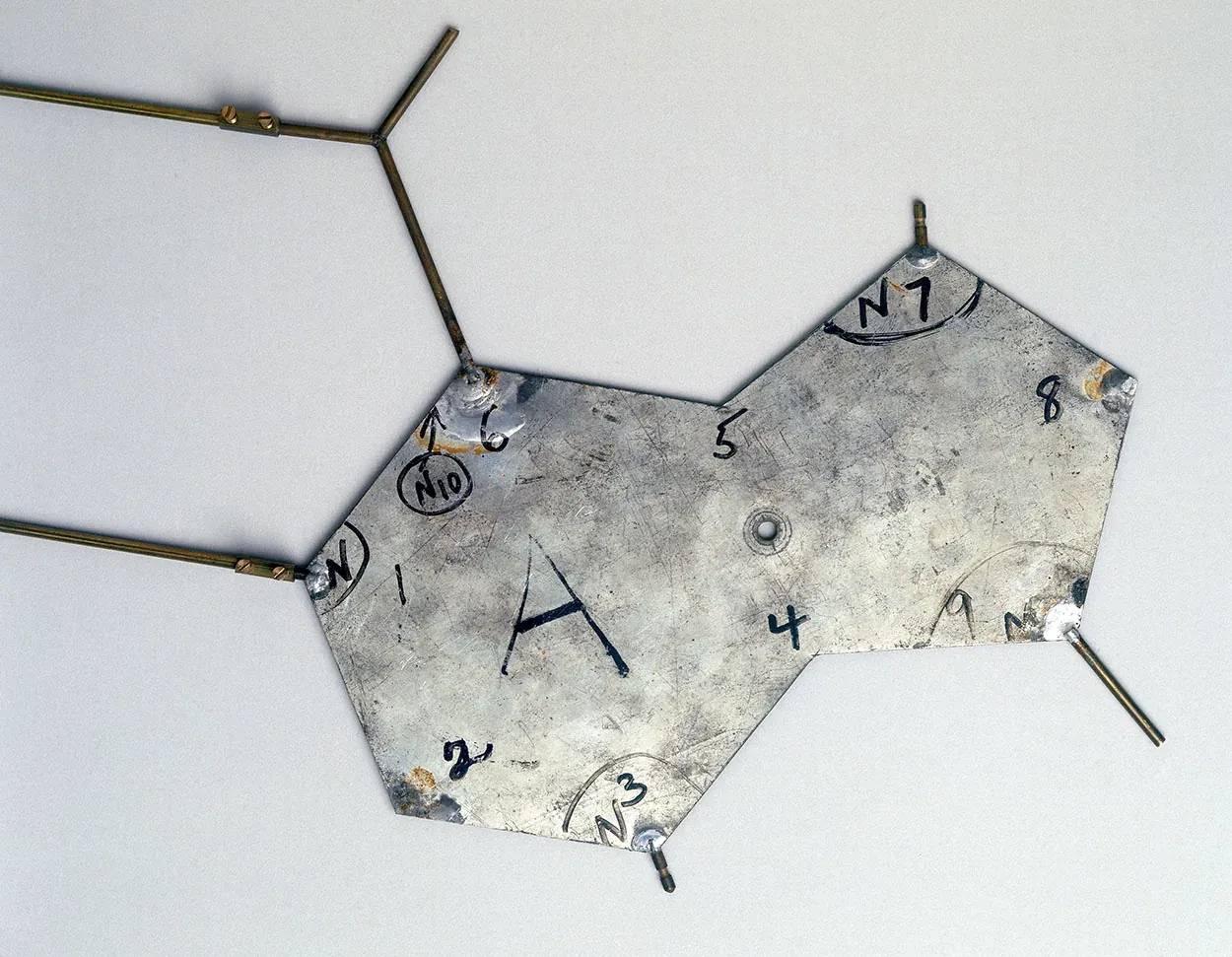
- Plate IIIOne of the individual base templates cut for that model, marked up by hand (the physical unit the whole structure was assembled from, piece by piece).Wikimedia Commons
- Plate IVRosalind Franklin at work in 1955. Her X-ray diffraction data was the evidence Watson and Crick's model had to fit.Wikimedia Commons
- Plate VKary Mullis, whose 1983 invention of the polymerase chain reaction turned DNA copying from a cellular process into a benchtop one.Wikimedia Commons