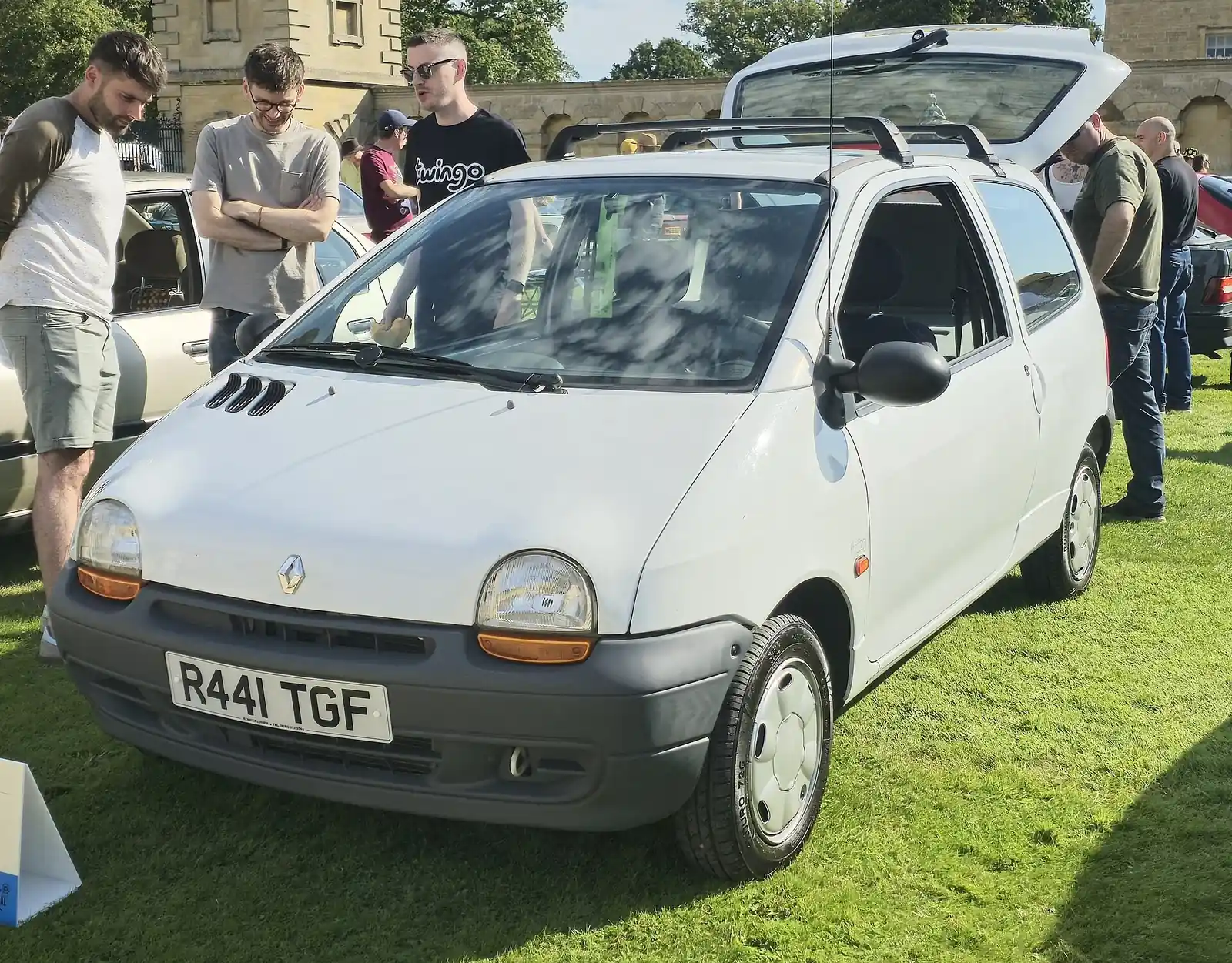
Renault’s smallest car for the 1990s was designed under Patrick Le Quément with an exterior by Jean-Pierre Ploué, and it launched in April 1993 as a single trim with four colour choices and no rival in Renault’s own range; the project had begun as a proposed replacement for the Renault 4.[1] Its one-box shape and centrally mounted instrument panel to free up cabin space were unusual enough that reviewers noted a strong resemblance to the earlier Honda Today, a comparison Renault never addressed directly. Sales ran until 2007 in Europe and, under licence, considerably longer in Colombia.
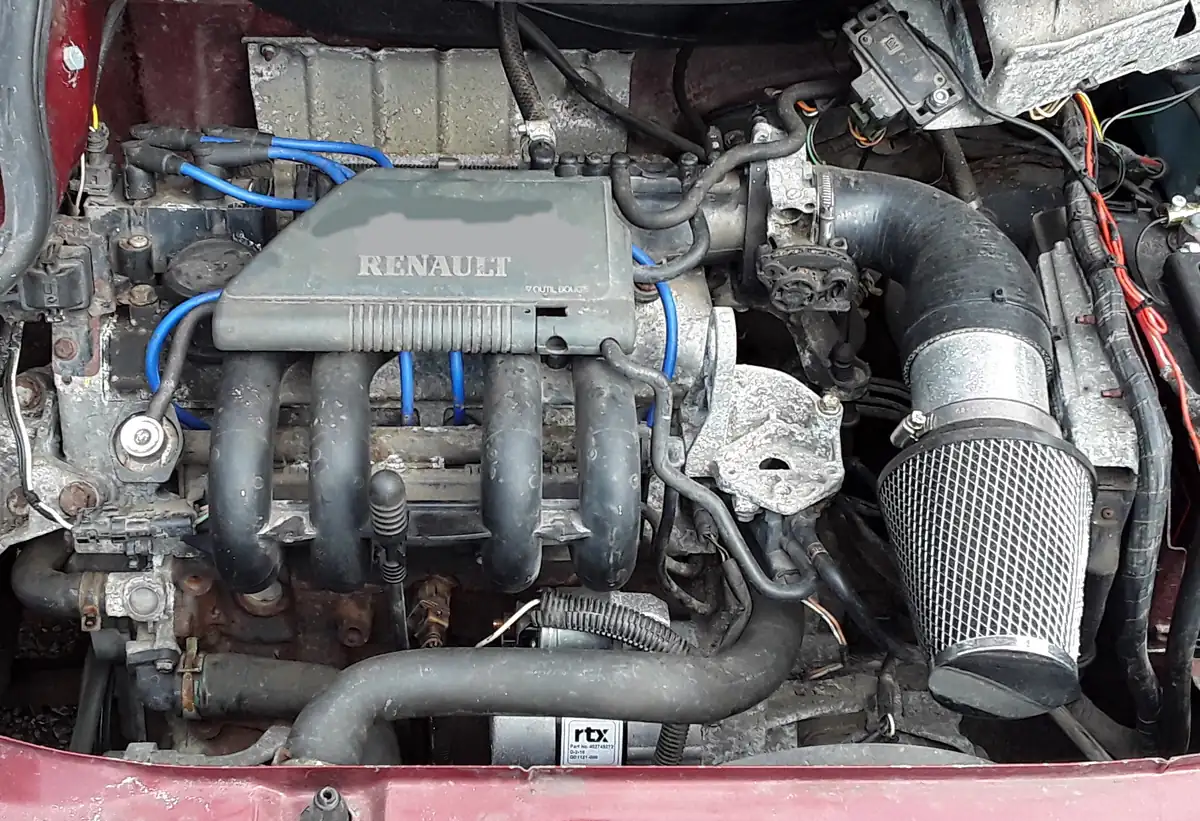
Three engines are recorded here: the 1239 cc unit the car launched with, replaced in 1996 by a 1149 cc engine borrowed from the Clio, and a 16-valve version of that same 1149 cc block added alongside it in 2000. Wikipedia’s own article flags the smallest, 999 cc D7D variant as needing a citation for its identity, and gives no power figure for it at all, so it is left out here rather than guessed at. No performance figures, boot volume or torque are published for any of the surviving petrol engines, and kerb weight is only given as “from 790 kg” across the range; it is recorded at generation level rather than assigned to one trim.